


区域战略叠加的经济地理机制及效应最大化途径
|
樊杰(1961—),男,研究员,博士生导师,中国科学院院士,中国地理学会会士,《经济地理》主编。主要从事经济地理学与区域综合研究。E-mail:fanj@igsnrr.ac.cn |
收稿日期: 2026-01-08
修回日期: 2026-01-20
网络出版日期: 2026-02-12
基金资助
国家自然科学基金重点项目(42230510)
Economic Geographic Mechanism and Maximization Pathway for Regional Strategy Superposition
Received date: 2026-01-08
Revised date: 2026-01-20
Online published: 2026-02-12
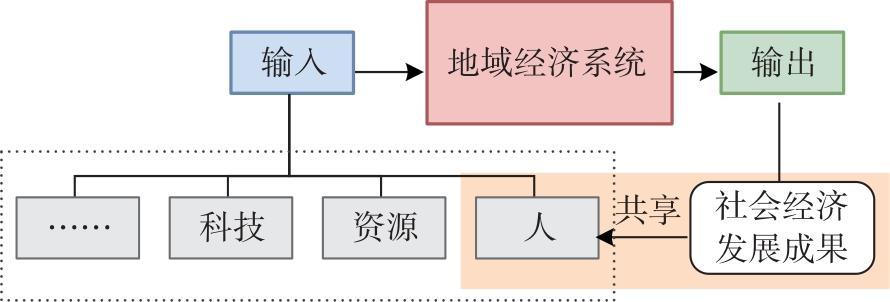
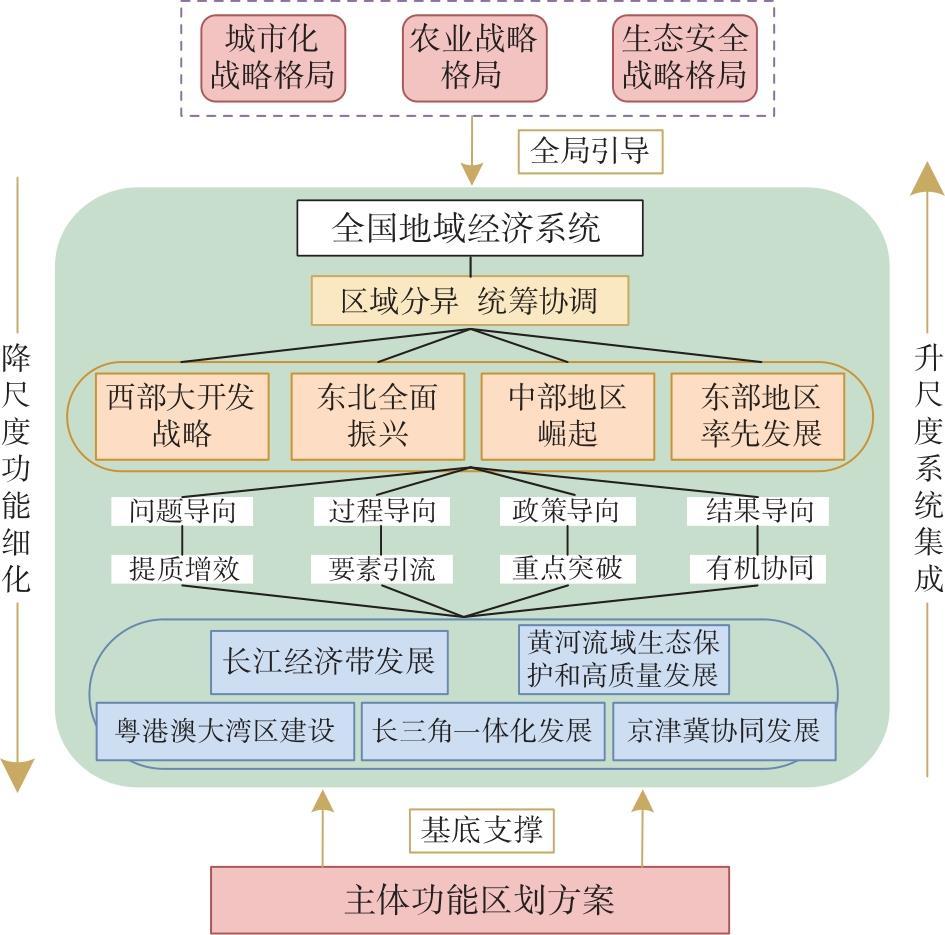
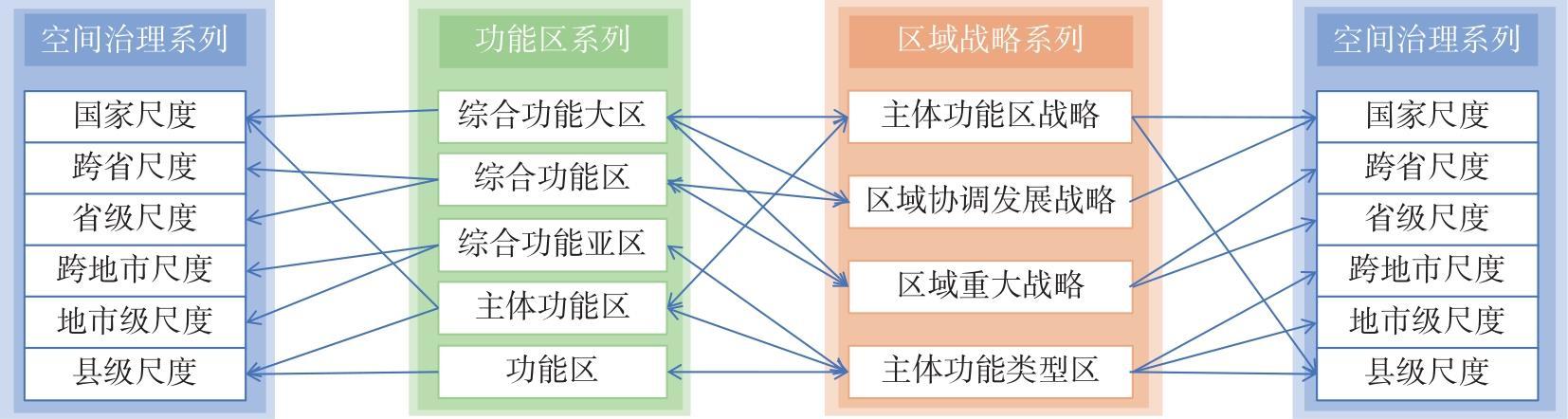
“区域发展”问题是国家发展规划和经济地理学研究的核心议题。目前,我国已形成“3+N”的区域战略体系,即区域协调发展战略、区域重大战略、主体功能区战略3个战略,外加新型城镇化战略等“N”个区域发展战略。文章梳理了我国区域战略体系的形成与演化过程,基于经济地理学视角,分析区域战略叠加的内在机制,并探寻其效应最大化的实现途径。研究认为,区域战略叠加所形成的地域经济系统具有地域差异性、联系性、尺度嵌套性、功能传导性与综合集成性五大特征。通过区域战略叠加调控优化地域经济系统的经济地理机制在于:基于比较优势引导生产要素合理配置、借助系统间的联系获得正外部溢出效应、将区域战略尺度和功能尺度耦合实现不同尺度间战略功能的有效传导,以及通过战略协同产生涌现效应,共同作用使得区域战略叠加之后的效应获得强化。研究提出,在区域战略升级中实现战略叠加效应最大化、发挥主体功能区的全局性和基础性作用、系统优化区域协调发展战略和区域重大战略、探索综合功能区和国土空间新体系是实现区域战略叠加效应最大化的途径,为“十五五”规划的编制和“十五五”时期优化区域经济布局、提升空间治理效能提供了理论依据与决策参考。
樊杰 , 李淦 . 区域战略叠加的经济地理机制及效应最大化途径[J]. 经济地理, 2026 , 46(1) : 1 -12 . DOI: 10.15957/j.cnki.jjdl.2026.01.001
The issue of "regional development" has been a core theme throughout national development planning and economic geography study. Currently, China has established a "3+N" regional strategic framework, which consists of three core strategies—the coordinated regional development strategy, major regional strategies, and the major function zoning strategy—alongside "N" additional regional development strategies such as the new urbanization strategy. This paper reviews the formation and evolution of China's regional strategic framework, analyzes the internal mechanisms of regional strategy superposition from an economic geography perspective, and explores pathways to maximize its effects. This study suggests that the regional economic system shaped by superposing strategies exhibits five key characteristics: regional differentiation, interconnectedness, scale nesting, functional transmission, and comprehensive integration. The economic geographic mechanism through which superposing regional strategies regulate and optimize the regional economic system lies in: guiding the rational allocation of production factors based on comparative advantages, leveraging positive external spillover effects through inter-system linkages, achieving effective transmission of strategic functions across different scales by coupling regional strategy scales with functional scales, and generating emergent effects through strategic synergy. Together, these factors amplify the overall impact of superposing regional strategies. This study proposes that maximizing the effects of superposing strategies requires enhancing strategic synergy during regional strategy upgrades, leveraging the overarching and foundational role of major functional areas, systematically optimizing the Regional Coordinated Development Strategy and Regional Major Strategy, and exploring comprehensive functional zones and new territorial spatial systems. This research aims to provide theoretical foundations and decision-making references for formulating the "15th Five-Year Plan" and optimizing regional economic layouts while improving spatial governance efficiency during the "15th Five-Year Plan" period.
| [1] |
毛泽东. 论十大关系[C]// 毛泽东文集(第7卷). 北京: 人民出版社, 1999.
|
| [2] |
中共中央关于国有企业改革和发展若干重大问题的决定[J]. 求是, 1999(20):4-14.
|
| [3] |
许欣. 东北振兴战略演进轨迹及其未来展望[J]. 改革, 2017(12):15-24.
|
| [4] |
樊杰. 主体功能区战略与优化国土空间开发格局[J]. 中国科学院院刊, 2013, 28(2):193-206.
|
| [5] |
樊杰. 中国主体功能区划方案[J]. 地理学报, 2015, 70(2):186-201.
|
| [6] |
国务院关于印发全国主体功能区规划的通知[J]. 中华人民共和国国务院公报, 2011(17):2-138.
|
| [7] |
陆大道. 关于地理学的“人—地系统”理论研究[J]. 地理研究, 2002(2):135-145.
|
| [8] |
吴传钧. 论地理学的研究核心——人地关系地域系统[J]. 经济地理, 1991, 11(3):1-6.
|
| [9] |
钱学森. 系统科学、思维科学与人体科学[J]. 自然杂志, 1981(1):3-9,80.
|
| [10] |
樊杰. “人地关系地域系统”是综合研究地理格局形成与演变规律的理论基石[J]. 地理学报, 2018, 73(4):597-607.
|
| [11] |
范冬萍. 探索复杂性的系统哲学与系统思维[J]. 现代哲学, 2020(4):97-102.
|
| [12] |
樊杰, 陈东, 李佳洺, 等. 新质生产力的地域性与布局规律研究——因地制宜发展新质生产力的地理科学探讨[J]. 地理科学, 2025, 45(1):47-60.
|
| [13] |
王传阳, 盛科荣, 张杰, 等. 城市知识网络与知识生产的协同演化研究——以中国三大城市群为例[J]. 地理科学, 2024, 44(7):1178-1187.
|
| [14] |
|
| [15] |
李双成, 蔡运龙. 地理尺度转换若干问题的初步探讨[J]. 地理研究, 2005(1):11-18.
|
| [16] |
|
| [17] |
The UPF Editorial Department. “构建统一的国土空间规划技术标准体系:原则、思路和建议”学术笔谈(一)[J]. 城市规划学刊, 2020(4):1-10.
|
| [18] |
胡海波, 唐小龙. 国土空间规划多元传导机制构建——基于南通地区多层次规划实践的探索[J]. 城乡规划, 2021(Suppl.1):38-48.
|
| [19] |
崔树强, 周国华, 贺艳华, 等. 市级国土空间规划核心指标纵向传导研究——以湖南省常德市为例[J]. 自然资源学报, 2022, 37(11):2819-2836.
|
| [20] |
曹湛, 戴靓, 杨宇, 等. 基于“蜂鸣—管道”模型的中国城市知识合作模式及其对知识产出的影响[J]. 地理学报, 2022, 77(4):960-975.
|
| [21] |
王腾飞, 马仁锋. 城际专利联系网络对绿色全要素生产率的影响及其溢出效应[J]. 经济地理, 2024, 44(9):37-45.
|
| [22] |
殷洁, 罗小龙. 尺度重组与地域重构:城市与区域重构的政治经济学分析[J]. 人文地理, 2013, 28(2):67-73.
|
| [23] |
任佩瑜张莉, 宋勇. 基于复杂性科学的管理熵、管理耗散结构理论及其在企业组织与决策中的作用[J]. 管理世界, 2001(6):142-147.
|
| [24] |
刘卫东. 经济地理学与空间治理[J]. 地理学报, 2014, 69(8):1109-1116.
|
| [25] |
范欣. “十五五”时期发挥四大区域战略叠加效应[J]. 学习与探索, 2025(12):18-23.
|
| [26] |
中共中央国务院关于新时代推进西部大开发形成新格局的指导意见[R]. 中华人民共和国国务院公报, 2020(15):6-14.
|
/
| 〈 |
|
〉 |