


南京市线上—线下餐饮空间分布格局——以大众点评网和饿了么为例
|
翟青(1984—),女,江苏南京人,博士,讲师。主要研究方向为智慧城市规划与空间。E-mail:zhaiqing@njupt.edu.cn。 |
收稿日期: 2020-07-16
修回日期: 2020-11-12
网络出版日期: 2025-04-11
基金资助
国家自然科学青年基金项目(41601139)
国家自然科学青年基金项目(41801150)
江苏省自然科学青年基金项目(BK20160892)
南京邮电大学校引进人才项目(NYY215016)
广州市科技计划项目(201906010033)
Spatial Pattern of Online and Offline Catering Service in Nanjing: A Case Study of Dianping and Eleme
Received date: 2020-07-16
Revised date: 2020-11-12
Online published: 2025-04-11
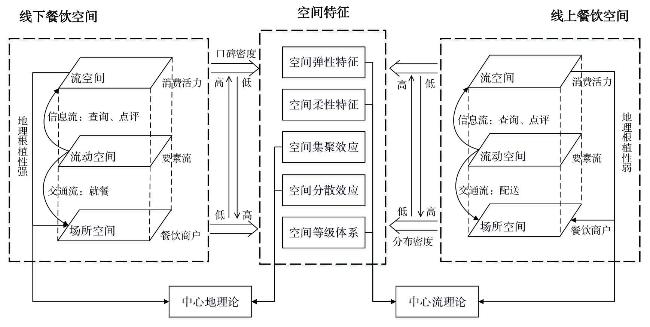
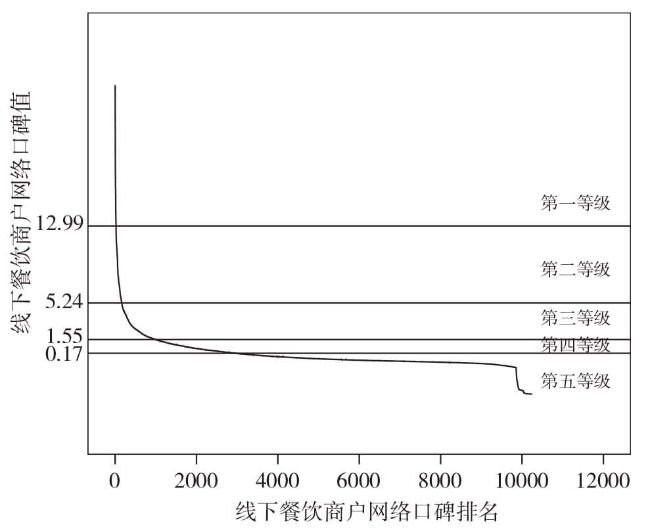
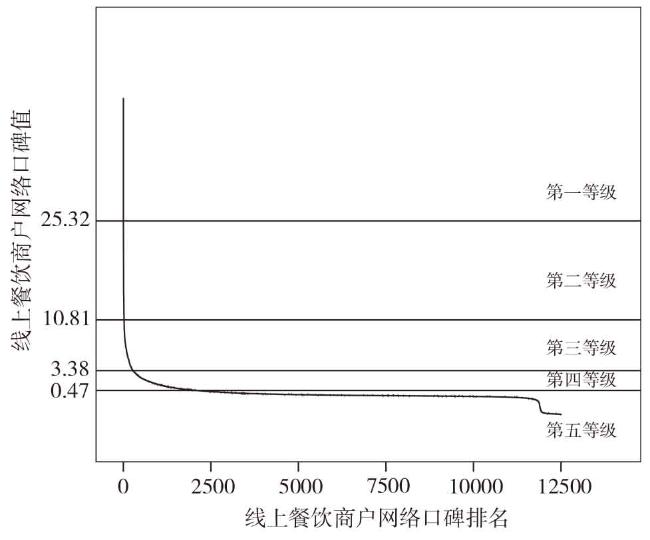
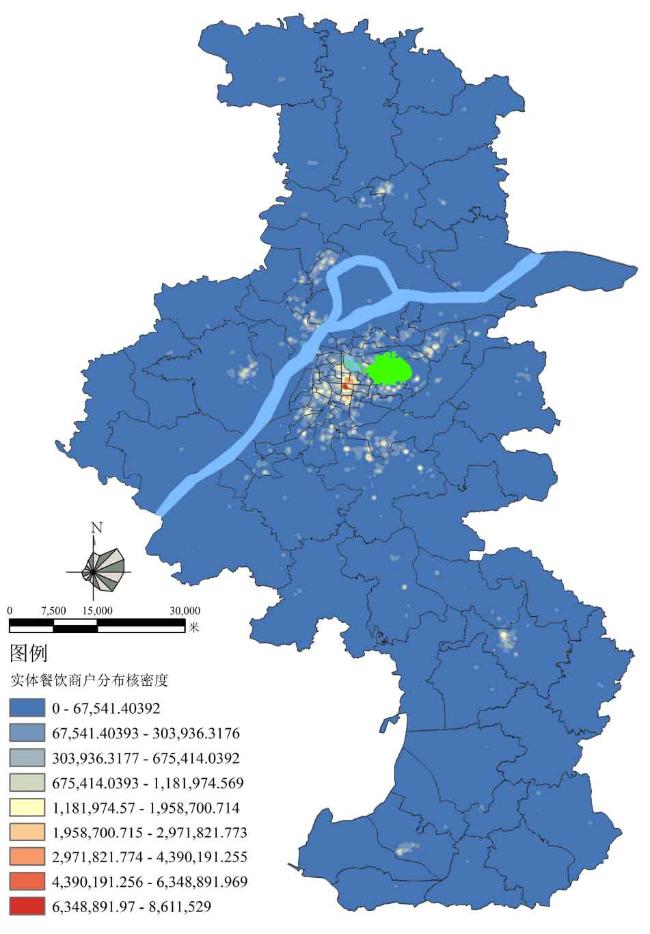
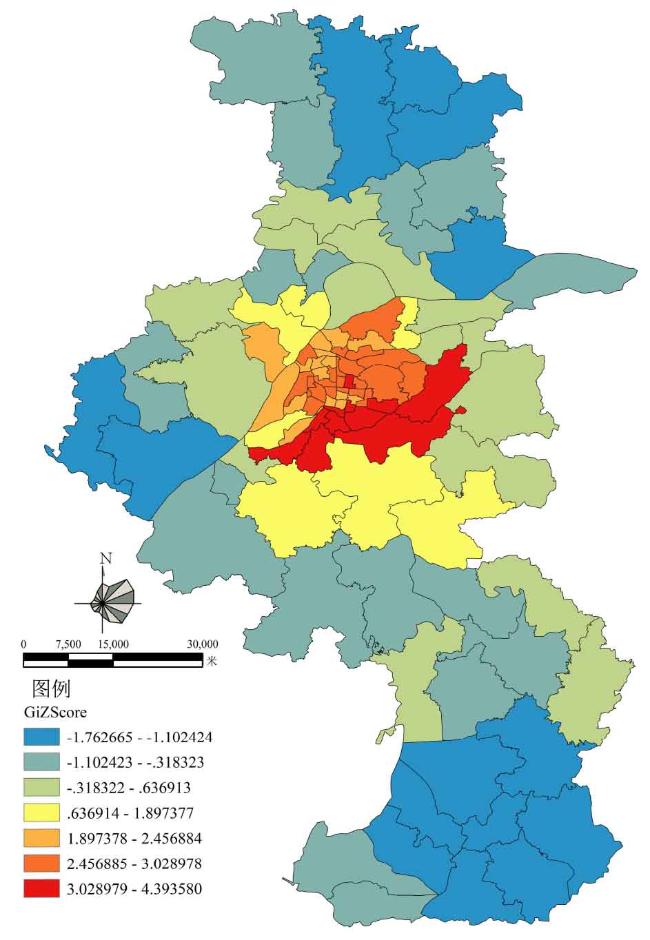
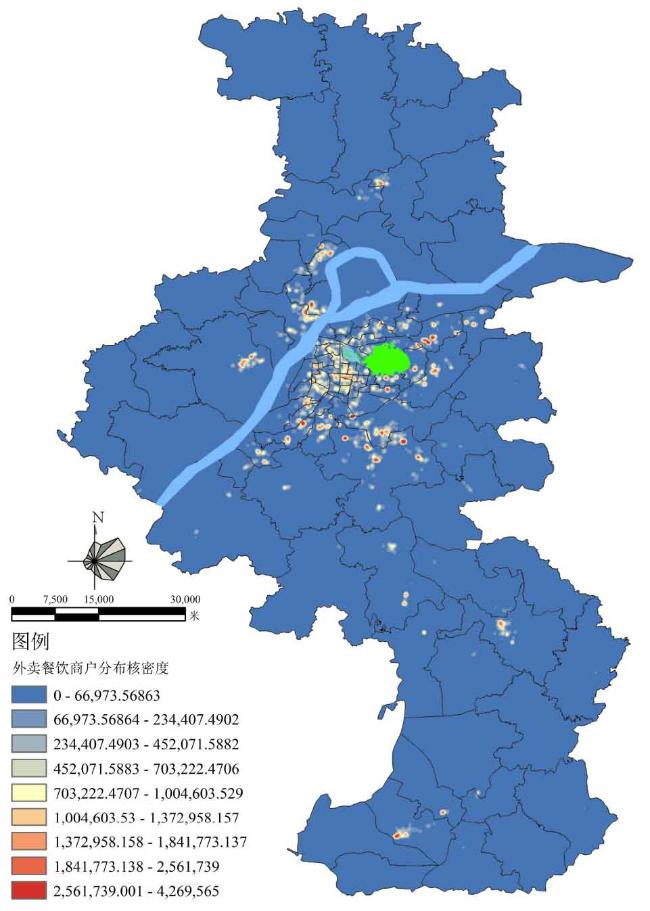
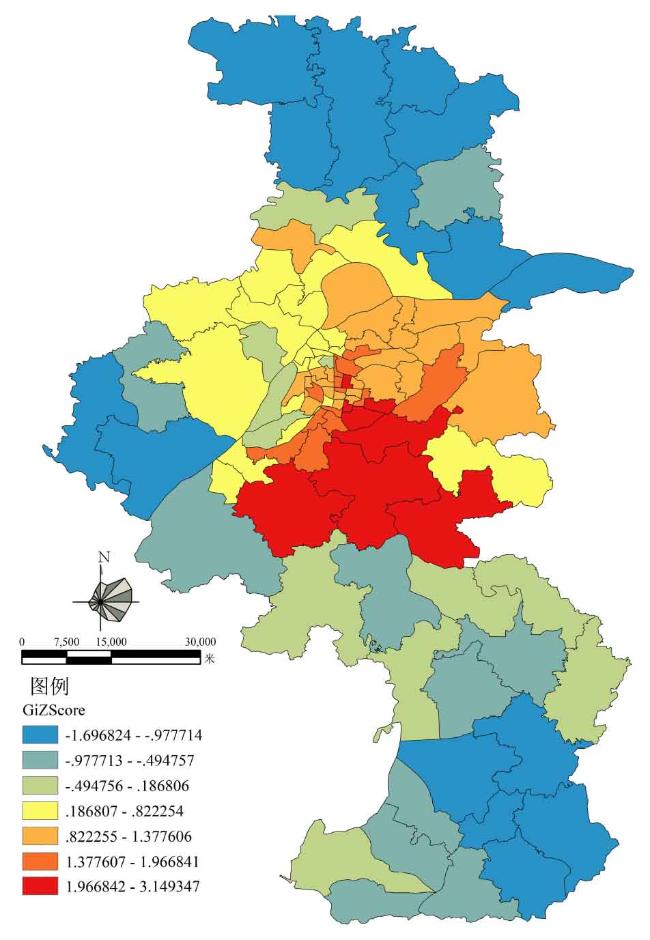
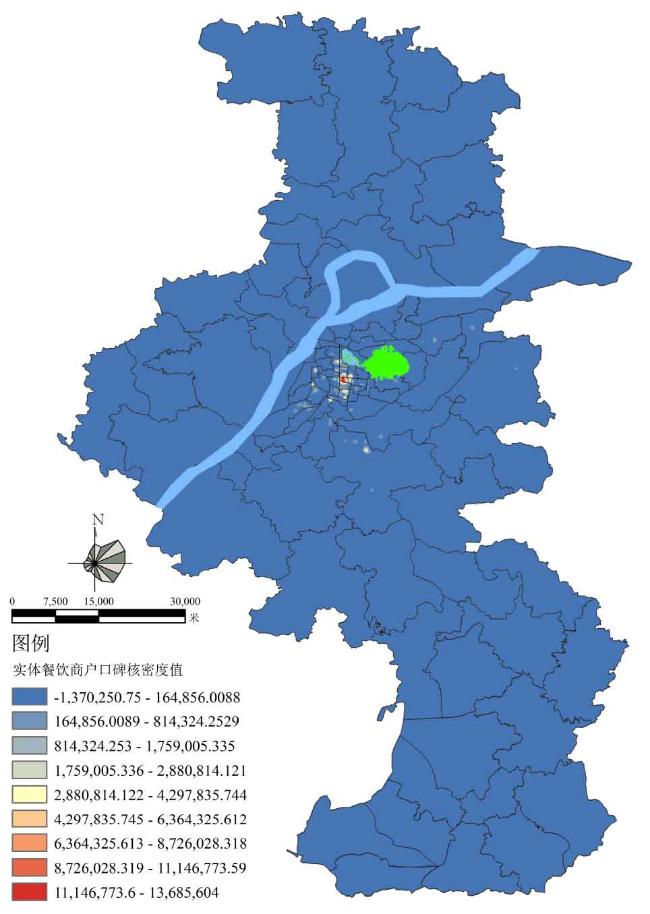
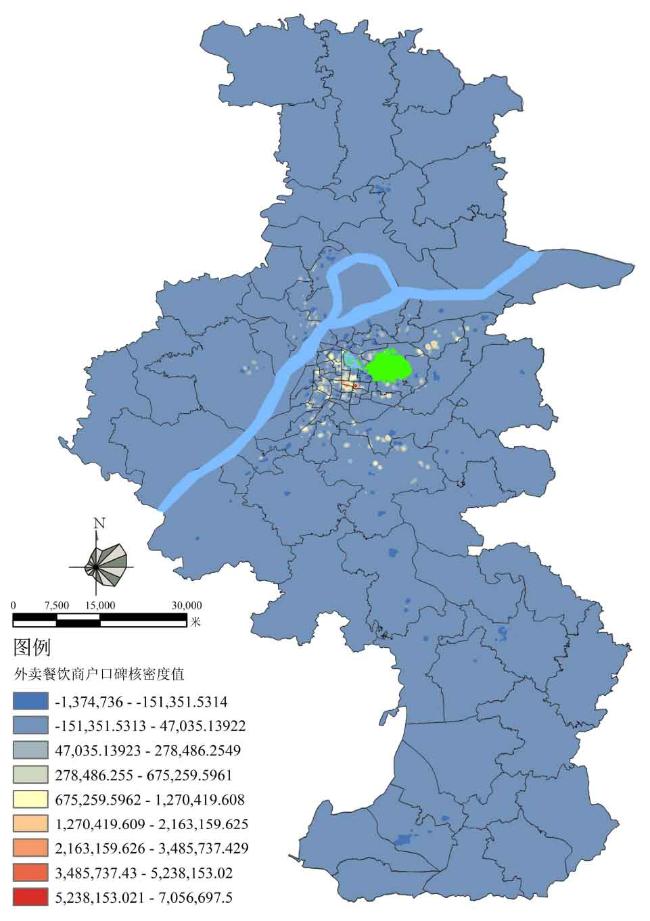
移动互联网和信息技术对餐饮业的渗透深刻改变了餐饮空间的分布格局,研究范式随之发生转变。以南京市大众点评(只提供堂食、不提供外卖服务的商户)和饿了么为例,采用餐饮商户信息和消费者评价信息,构建网络口碑评价指标体系,从位置信息和网络口碑两个层面对比分析线上—线下餐饮空间分布格局。研究发现:①线下餐饮空间集聚特征显著,呈“核心—边缘”等级结构,线上餐饮空间集聚特征不显著,呈“水平、多中心”的网络结构。②网络口碑比位置信息更能有效地反映餐饮空间结构。③基于位置信息和基于口碑信息的线下餐饮空间分布都符合中心地理论特征,线上餐饮空间分布同时符合中心地理论和中心流理论特征。
翟青 , 高玉洁 , 魏宗财 . 南京市线上—线下餐饮空间分布格局——以大众点评网和饿了么为例[J]. 经济地理, 2020 , 40(12) : 119 -127 . DOI: 10.15957/j.cnki.jjdl.2020.12.014
With the rapid development and wide application of mobile Internet and information technology,it influences the distribution pattern of catering industry and the research paradigm. Taking the Dianping (stores only provide dine-in meals without takeaway service) and Eleme in Nanjing as an example,this paper builds the evaluation index system of Electronic Word of Mouth (E-WoM) from the information of catering merchant and consumer evaluation. The study explores the distribution pattern of online and offline catering service from the perspective of location information and E-WoM. Firstly,the results reveal that offline catering space presents a "core-edge" hierarchical structure with the significant characteristic of agglomeration,and online catering space presents a "horizontal,multi-center" network structure without the significant characteristic of agglomeration. Secondly, E-WoM can more effectively reflect the catering spatial structure than location information. Thirdly,the spatial distribution of offline catering in Nanjing follows the central place theory,but the spatial distribution of online catering in Nanjing follows both the central place theory and central flow theory. The research results have guiding significance for catering space planning by urban governments,location selection by catering providers,rider layout and dining decision-making by consumers.
表1 南京市大众点评网络口碑评价指标体系Tab.1 Evaluation index system of E-WoM based on the Dianping in Nanjing |
| 一级指标 | 二级指标 |
|---|---|
| 餐厅点评人气 | X1:总评论数;X2:好评数;X3:中评数;X4:差评数;X5:带图评论数;X6:口味评论数;X7:服务评论数;X8:环境评论数 |
| 餐厅质量 | X9:口味评分(1~5分);X10:服务评分(1~5分);X11:环境评分(1~5分);X12:星级(1~5星) |
| 餐厅档次 | X13:人均消费额 |
表2 南京市饿了么网络口碑评价指标体系Tab.2 Evaluation index system of E-WoM based on the Eleme in Nanjing |
| 一级指标 | 二级指标 |
|---|---|
| 餐厅点评人气 | X1:总评论数;X2:好评数;X3:差评数;X4:带图评论数;X5:口味评论数;X6:月销售量;X7:菜品数量 |
| 餐厅质量 | X8:口味评分(1~5分);X9:配送评分(1~5分);X10:包装评分(1~5分);X11:店铺评分(1~5分) |
| 餐厅档次 | X12:起送价格;X13:配送费 |
| 外卖点评人气 | X14:服务评论数;X15:食材评论数;X16:配送评论数;X17:包装评论数;X18:店铺评论数 |
| 营业时长 | X19:在线时长 |
| [1] |
|
| [2] |
|
| [3] |
|
| [4] |
|
| [5] |
曾璇, 崔海山, 刘志根. 广州市餐饮店分布演变特征与影响因素[J]. 经济地理, 2019, 39(3):143-151.
|
| [6] |
杨帆, 徐建刚, 周亮. 基于DBSCAN空间聚类的广州市区餐饮集群识别及空间特征分析[J]. 经济地理, 2016, 36(10):110-116.
|
| [7] |
方嘉雯. 北京五道口地区韩国餐饮业空间布局特征与集聚机理分析[J]. 经济地理, 2014, 34(12):106-113.
|
| [8] |
|
| [9] |
|
| [10] |
|
| [11] |
|
| [12] |
|
| [13] |
张旭, 徐逸伦. 南京市餐饮设施空间分布及其影响因素研究[J]. 热带地理, 2009, 29(4):362-367.
|
| [14] |
胡志毅, 张兆干. 城市饭店的空间布局分析——以南京市为例[J]. 经济地理, 2002, 22(1):107-110.
|
| [15] |
梁璐. 城市餐饮业的空间格局及其影响因素分析——以西安市为例[J]. 西北大学学报:自然科学版, 2007, 37(6):925-930.
|
| [16] |
舒舍玉, 王润, 孙艳伟, 等. 城市餐饮业的空间格局及影响因素分析——以厦门市为例[J]. 热带地理, 2012, 32(2):134-140.
|
| [17] |
|
| [18] |
翟青. 基于居民活动的城市虚—实空间关联研究与评价[D]. 南京: 南京大学, 2015.
|
| [19] |
|
| [20] |
|
| [21] |
|
| [22] |
|
| [23] |
|
| [24] |
|
| [25] |
|
| [26] |
施响. 长春市外卖O2O餐饮业空间格局及其与实体店相互作用研究[D]. 长春: 东北师范大学, 2018.
|
| [27] |
许宽. 基于网络评价的长沙城区餐饮业空间分布研究[D]. 长沙: 湖南师范大学, 2016.
|
| [28] |
夏令军, 刘艳芳, 刘国炜. 中国地级城市餐饮业分布格局及影响因素——基于“大众点评网”数据的实证研究[J]. 经济地理, 2018, 38(5):133-141.
|
| [29] |
南京市规划和自然资源局. 南京市商业网点规划(2015-2030)[EB/OL]. http://ghj.nanjing.gov.cn/pqgs/ghbzpqgs/201607/t20160725_874736.html, 2016-07-25.
|
| [30] |
南京市规划和自然资源局. 南京市城市总体规划(2011-2020)[EB/OL]. http://ghj.nanjing.gov.cn/ghbz/ztgh/201705/t20170509_874089.html, 2017-05-09.
|
| [31] |
秦萧, 甄峰, 朱寿佳, 等. 基于网络口碑度的南京城区餐饮业空间分布格局研究——以大众点评网为例[J]. 地理科学, 2014, 34(7):810-817.
|
| [32] |
|
| [33] |
谢顺平, 冯学智, 王结臣, 等. 基于网络加权Voronoi图分析的南京市商业中心辐射域研究[J]. 地理学报, 2009, 64(12):1467-1476.
|
/
| 〈 |
|
〉 |