


Distribution Pattern of Cultural Heritages Along the Silk Road in China and Its Influencing Factors: A Case Study of Provincial-level and Above Cultural Relic Preservation Units
Received date: 2025-06-13
Revised date: 2025-12-30
Online published: 2026-04-29
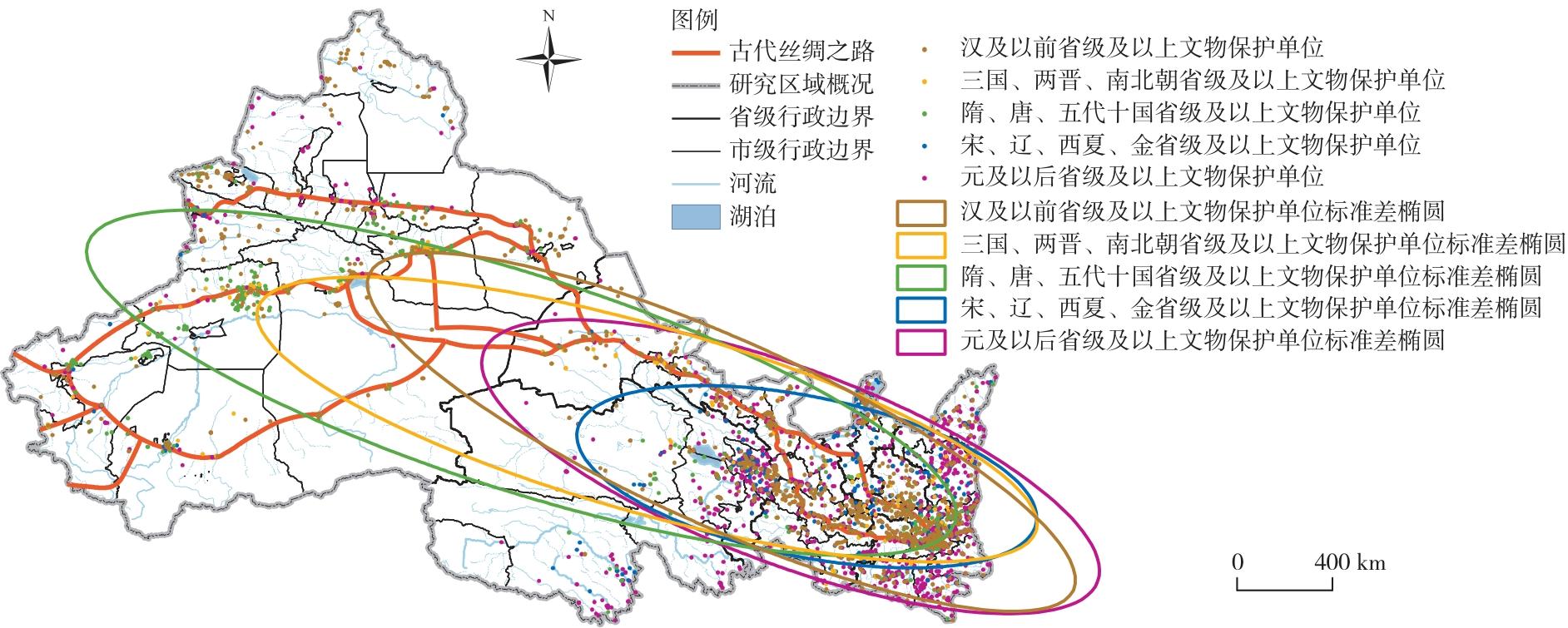
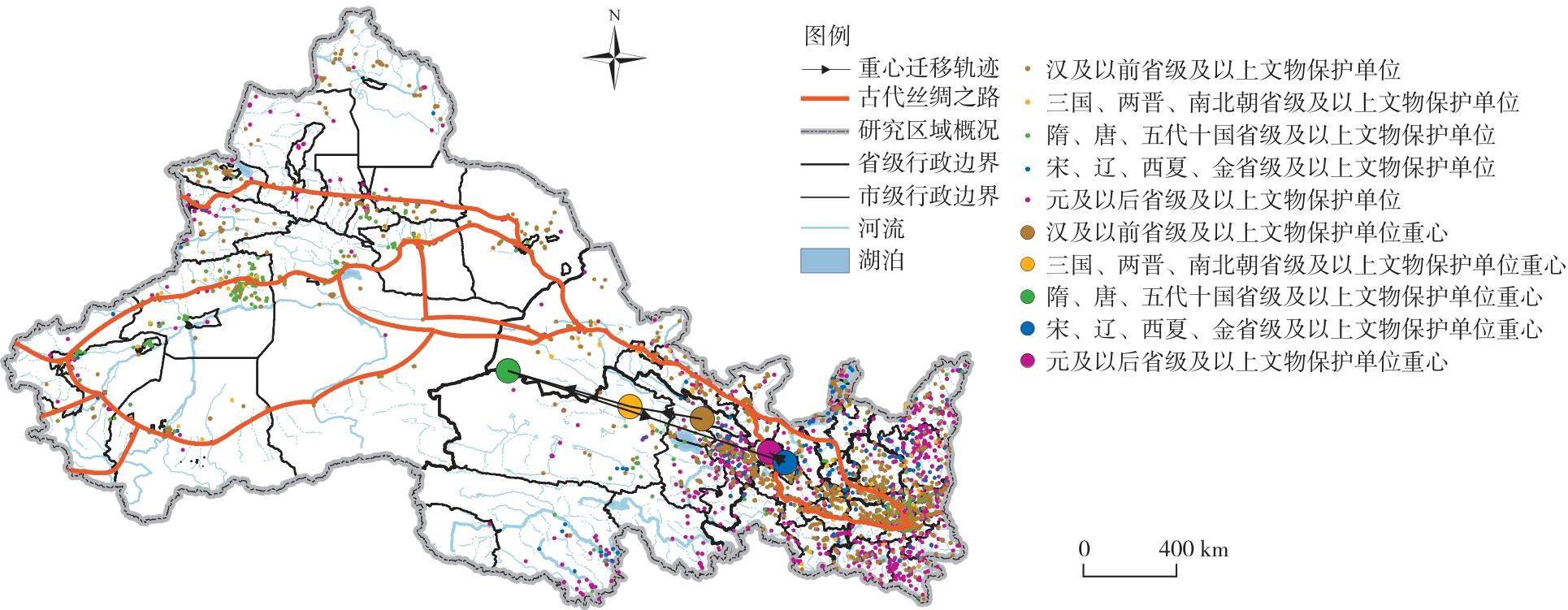
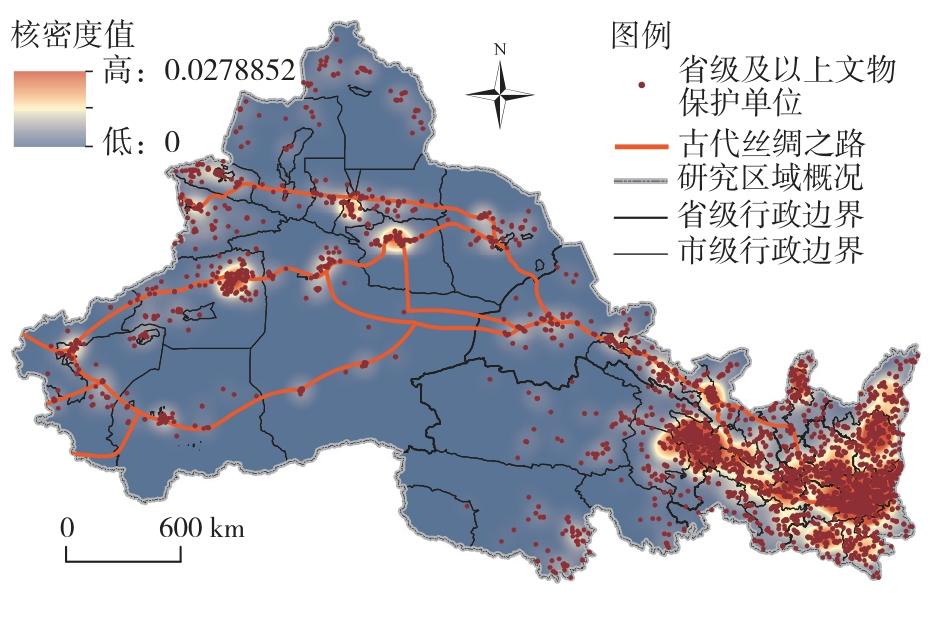
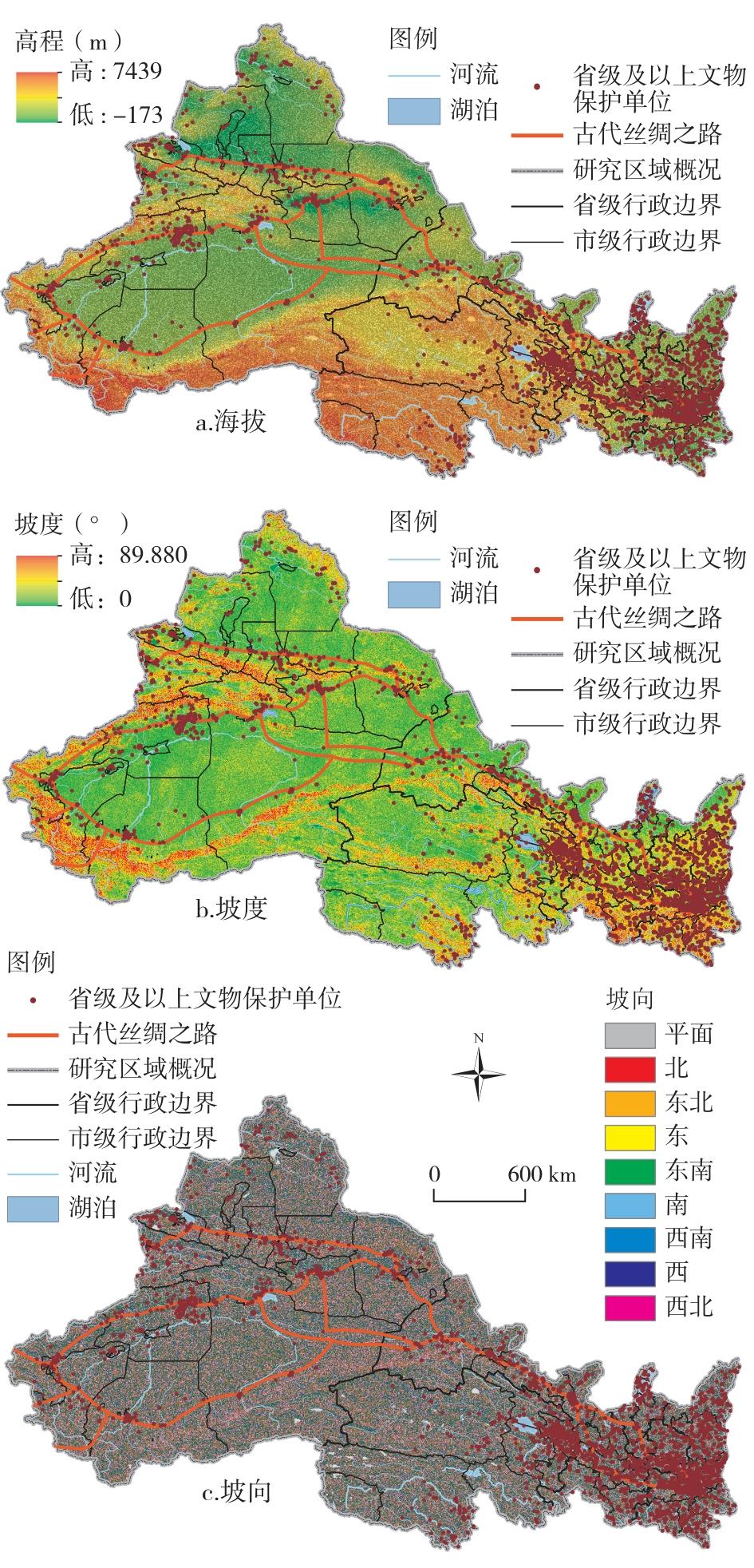
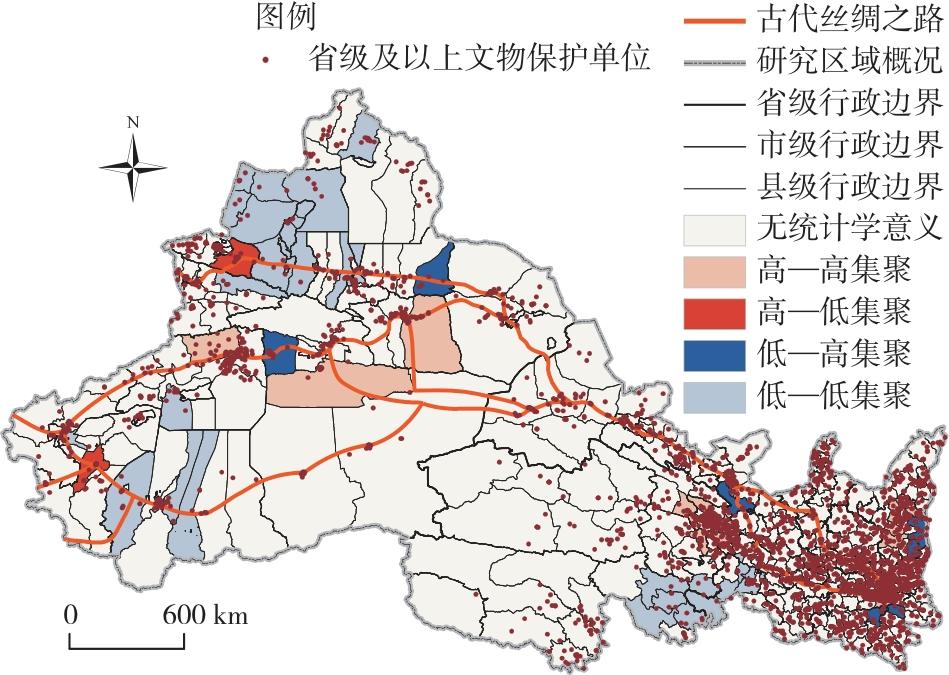
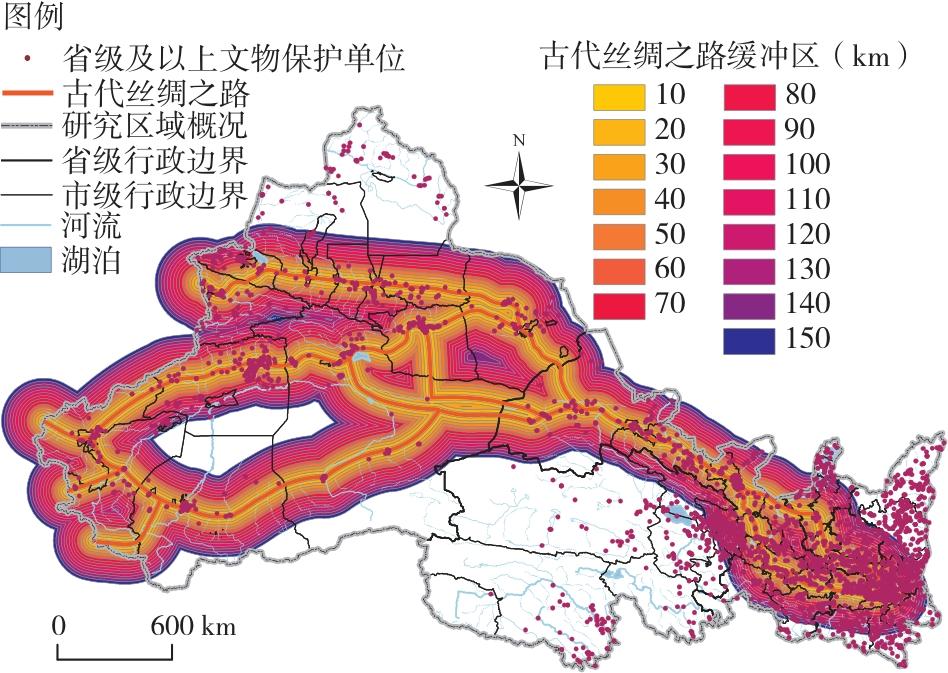
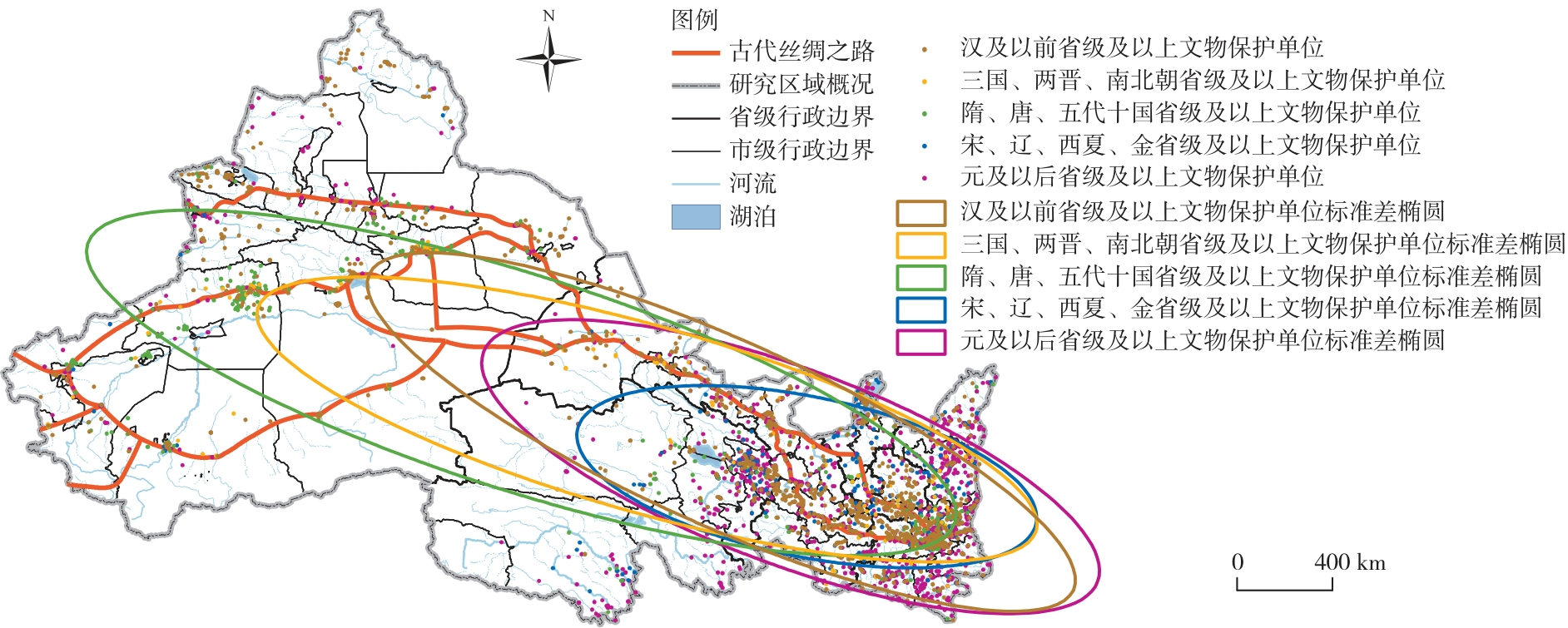
As a new type of heritage, the cultural route requires continuous attention in the field of cultural heritage preservation for its overall preservation methods. This study selects provincial-level and above cultural relic preservation units (CRPUs for short) along the Silk Road in China as research objects. Based on the ArcGIS, it explores the spatial distribution pattern and influencing factors of cultural heritages along the Silk Road. The results indicate that: 1) The spatial distribution of CRPUs along the Silk Road exhibits a "corridor-shaped" pattern, "southeast-northwest" spatial distribution pattern is highly consistent with the main routes of the Silk Road. The spatial evolution shows a trend of "northwest expansion with axial stability" forming agglomeration areas characterized by "multi-center, multi-core" clustering. 2) Most heritage sites are located in areas with elevations below 2255 m and slopes under 13°. Early heritage types are predominantly ancient ruins, mid-period types are mainly cave temples and stone carvings, and late-period types are dominated by ancient buildings. 3) Spatial correlation analysis reveals that the CRPUs along the route has a strong coupling relationship with the Silk Road in terms of spatial distribution, mostly concentrated within 50 km along the Silk Road, with significant clustering characteristics. High-value agglomeration areas often coincide with ancient central towns, commercial hubs, settlement ruins, and transportation relics along the Silk Road, low-value agglomeration areas reflect the influence of physical geography features and other cultural corridors on the distribution pattern of cultural heritage along the Silk Road.
HUANG Yuehao , ZHAO Wenze , ZHANG Bohui . Distribution Pattern of Cultural Heritages Along the Silk Road in China and Its Influencing Factors: A Case Study of Provincial-level and Above Cultural Relic Preservation Units[J]. Economic geography, 2026 , 46(3) : 226 -236 . DOI: 10.15957/j.cnki.jjdl.2026.03.022
表1 丝绸之路沿线五省(区)省级及以上文保单位类型及数量Tab.1 Type and number statistics of provincial-level and above cultural heritage preservation units along the Silk Road |
| 省区名称 | 古遗址(处) | 古墓葬(处) | 古建筑(处) | 石窟寺及石刻(含古壁画)(处) | 近现代重要史迹及代表性建筑(处) | 其他(处) |
|---|---|---|---|---|---|---|
| 陕西 | 390 | 130 | 415 | 75 | 301 | 15 |
| 甘肃 | 360 | 97 | 179 | 79 | 82 | 12 |
| 宁夏 | 80 | 13 | 35 | 24 | 13 | 1 |
| 青海 | 194 | 49 | 176 | 27 | 63 | 9 |
| 新疆 | 385 | 175 | 44 | 68 | 86 | 0 |
| 总计 | 1409 | 464 | 849 | 273 | 545 | 37 |
表3 丝绸之路沿线五省(区)省级及以上文保单位所在地土壤类型分布统计Tab.3 Soil type statistics at the sites of provincial-level and above cultural heritage preservation units in five provincial-level regions along the Silk Road |
| 土壤类型 | 古遗址 (处) | 古墓葬 (处) | 古建筑 (处) | 石窟寺及石刻 (含古壁画)(处) | 近现代重要史迹 及代表性建筑(处) | 其他 (处) | 比例 (%) |
|---|---|---|---|---|---|---|---|
| 半淋溶土 | 215 | 70 | 141 | 40 | 55 | 9 | 14.83 |
| 半水成土 | 141 | 33 | 40 | 14 | 26 | 1 | 7.13 |
| 城区 | 13 | 3 | 32 | 3 | 40 | 0 | 2.55 |
| 初育土 | 357 | 75 | 253 | 80 | 245 | 13 | 28.62 |
| 钙层土 | 189 | 79 | 97 | 40 | 45 | 6 | 12.76 |
| 干旱土 | 84 | 39 | 33 | 21 | 19 | 1 | 5.51 |
| 高山土 | 34 | 12 | 52 | 15 | 24 | 3 | 3.92 |
| 湖泊、水库 | 1 | 2 | 1 | 0 | 0 | 0 | 0.11 |
| 江、河 | 0 | 1 | 3 | 0 | 1 | 0 | 0.14 |
| 淋溶土 | 38 | 9 | 72 | 13 | 27 | 4 | 4.56 |
| 漠土 | 122 | 42 | 11 | 27 | 25 | 0 | 6.35 |
| 人为土 | 145 | 81 | 108 | 15 | 48 | 3 | 11.19 |
| 水成土 | 11 | 3 | 5 | 3 | 1 | 0 | 0.64 |
| 铁铝土 | 1 | 0 | 0 | 0 | 0 | 0 | 0.03 |
| 盐碱土 | 44 | 7 | 1 | 1 | 5 | 1 | 1.65 |
| 比例(%) | 39.03 | 12.76 | 23.75 | 7.61 | 15.70 | 1.15 | 100.00 |
表4 丝绸之路沿线五省(区)不同年代省级及以上文保单位数量统计Tab.4 Number statistics of provincial-level and above cultural heritage preservation units in five provincial-level regions along the Silk Road in different periods |
| 年代 | 古遗址 (处) | 古墓葬 (处) | 古建筑 (处) | 石窟寺及石刻 (含古壁画)(处) | 近现代重要史迹 及代表性建筑(处) | 其他 (处) | 比例 (%) | 说明 |
|---|---|---|---|---|---|---|---|---|
| 汉及以前 | 787 | 280 | 8 | 54 | 0 | 3 | 31.7 | 包括夏朝、商朝、西周、东周(春秋、战国)、秦朝、西汉、新朝、东汉 |
| 三国、两晋、南北朝 | 52 | 25 | 0 | 52 | 0 | 0 | 3.6 | 包括三国(曹魏、蜀汉、东吴)、西晋、(东晋、五胡十六国)、南北朝(南朝:宋、齐、梁、陈;北朝:东魏、西魏、北齐、北周) |
| 隋、唐、五代十国 | 255 | 53 | 31 | 54 | 0 | 1 | 11.0 | 包括隋朝、唐朝、五代十国(后梁、后唐、后晋、后汉、后周;南吴、前蜀、吴越、楚、闽、南汉、荆南、后蜀、南唐、北汉) |
| 宋、辽、西夏、金 | 140 | 36 | 63 | 48 | 0 | 8 | 8.3 | 包括宋(北宋、南宋)、辽、西夏、金 |
| 元及以后 | 164 | 65 | 745 | 49 | 545 | 25 | 44.5 | 包括元朝、明朝、清朝、近现代 |
| 有待考证 | 11 | 5 | 2 | 16 | 0 | 0 | 1.0 | |
| 比例(%) | 40.4 | 13.0 | 23.7 | 7.6 | 15.2 | 40.4 |
| [1] |
不断拓展高质量共建“一带一路”共赢发展新空间[J]. 习近平经济思想研究, 2025, 44(11):51-55.
|
| [2] |
International Council on Monuments and Sites. The World Heritage List:Filling the Gaps-An Action Plan for the Future[M]. Paris:ICOMOS, 2005.
|
| [3] |
丁援. 国际古迹遗址理事会(ICOMOS)文化线路宪章[J]. 中国名城, 2009, 91(5):51-56.
|
| [4] |
单霁翔. 大型线性文化遗产保护初论:突破与压力[J]. 南方文物, 2006, 55(3):2-5.
|
| [5] |
王志芳, 孙鹏. 遗产廊道——一种较新的遗产保护方法[J]. 中国园林, 2001, 75(5):86-89.
|
| [6] |
王建波, 阮仪三. 作为遗产类型的文化线路——《文化线路宪章》解读[J]. 城市规划学刊, 2009, 182(4):86-92.
|
| [7] |
李伟, 俞孔坚. 世界文化遗产保护的新动向——文化线路[J]. 城市问题, 2005, 117(4):7-12.
|
| [8] |
李飞, 宋金平. 廊道遗产:概念、理论源流与价值判断[J]. 人文地理, 2010, 25(2):74-77.
|
| [9] |
王吉美, 李飞. 国内外线性遗产文献综述[J]. 东南文化, 2016(1):31-38.
|
| [10] |
单霁翔, 周剑虹. 丝绸之路中国段遗产整体价值阐释策略研究[J]. 浙江大学学报(人文社会科学版), 2024, 54(12):5-16.
|
| [11] |
汪永臻, 曾刚. 空间视角下丝绸之路文化遗产廊道构建研究——以甘肃段为例[J]. 世界地理研究, 2022, 31(4):862-871.
|
| [12] |
刘珺, 郝索, 余洁. 丝绸之路经济带文化遗产保护的基础、困境与合作研究[J]. 西安财经学院学报, 2017, 30(2):78-84.
|
| [13] |
陈聪, 唐英, 史承勇, 等. 黄河流域遗产资源空间分布与区域协同保护[J]. 干旱区地理, 2024, 47(7):1220-1230.
|
| [14] |
田小波, 胡静, 徐欣, 等. 历史时期全国重点文物保护单位时空分布特征及影响机理[J]. 经济地理, 2021, 41(1):191-201.
|
| [15] |
李鸿飞, 常凯. 基于社会网络和电路理论的线性文化遗产廊道构建——以关陇古道为例[J]. 经济地理, 2025, 45(10):234-244.
|
| [16] |
郝智娟, 文琦, 施琳娜, 等. 丝绸之路经济带中国段城乡融合发展的时空演变特征与优化路径[J]. 干旱区资源与环境, 2025, 39(2):117-130.
|
| [17] |
徐卫民, 曾丽荣. 陕西省文化遗产时空分布格局及形成因素研究——以全国重点文物保护单位为例[J]. 西北大学学报(自然科学版), 2021, 51(3):438-446.
|
| [18] |
吴佳倚, 陈亚颦, 焦敏, 等. 云南省物质文化遗产的时空分布特征及其影响因素——以重点文物保护单位为例[J]. 湖南师范大学自然科学学报, 2023, 46(5):52-62.
|
| [19] |
周成, 周霖, 吕炯彦, 等. 山西省红色文化遗址的空间分异特征与要素关联分析——以不可移动革命文保单位为例[J]. 干旱区资源与环境, 2022, 36(12):163-171.
|
| [20] |
|
| [21] |
|
| [22] |
焦敏, 路璐, 牛福长, 等. 大运河文化带国家重点文物保护单位分布特征及其影响因素[J]. 经济地理, 2023, 43(3):228-239.
|
| [23] |
高彩霞, 刘家明, 高岩, 等. 京津冀非物质文化遗产资源的空间格局及旅游开发研究[J]. 地理与地理信息科学, 2021, 37(3):103-108.
|
| [24] |
沈妍, 徐卫民, 温超, 等. 河西走廊文化遗产时空分布特征及自然影响因素分析[J]. 西北大学学报(自然科学版), 2025, 55(1):180-192.
|
| [25] |
田磊, 孙凤芝, 张淑娴. 黄河流域非物质文化遗产空间分布特征及影响因素[J]. 干旱区资源与环境, 2022, 36(5):186-192.
|
| [26] |
王红, 赵玥玥, 甘晓静. 长江流域国家级非物质文化遗产的时空分布特征[J]. 地理空间信息, 2023, 21(11):81-85.
|
| [27] |
牛彦龙, 王毅. 海河流域传统村落与非物质文化遗产空间关联机制研究[J]. 干旱区资源与环境, 2025, 39(5):119-129.
|
| [28] |
石云涛. 汉唐间丝绸之路起点的变迁[J]. 中州学刊, 2008, 163(1):183-193.
|
| [29] |
邓淇中, 王振玉. 长江经济带市域绿色低碳转型水平变化特征及其影响因素[J]. 经济地理, 2025, 45(11):223-233.
|
| [30] |
王波, 王莉, 吾买尔艾力·艾买提卡力, 等. 众创空间的时空演化及建成环境影响因素——以广州市中心城区为例[J]. 经济地理, 2025, 45(9):77-84.
|
| [31] |
刘进, 唐慧, 苏昌贵, 等. 长江中游城市群公共文化设施的空间分布特征及其影响因素[J]. 经济地理, 2025, 45(5):85-92.
|
| [32] |
林小标, 郑衡泌, 伍世代, 等. 两汉侯国时空特征及其影响因素分析[J]. 地理学报, 2017, 72(4):723-736.
|
| [33] |
秦琳贵, 刘松岐, 沈体雁, 等. 农业产业化国家重点龙头企业空间布局及其影响因素的异质性[J]. 经济地理, 2025, 45(9):110-118.
|
| [34] |
王海英, 陶犁, 李云涛, 等. 文化廊道视角下京杭大运河(北京段)空间整体性构建研究[J]. 地理研究, 2023, 42(10):2622-2643.
|
/
| 〈 |
|
〉 |