


Classification of County-Level Rural Revitalization Types and Path Selection in the Dabie Mountain Area
Received date: 2024-12-27
Revised date: 2025-04-01
Online published: 2026-04-10
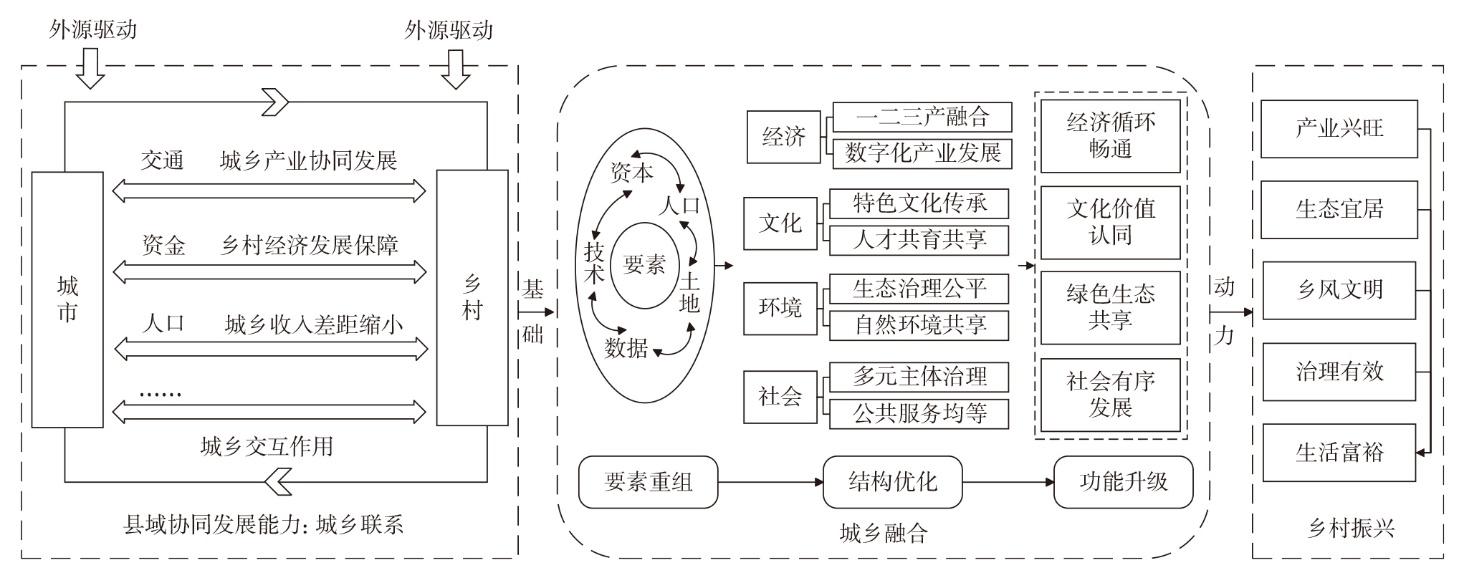
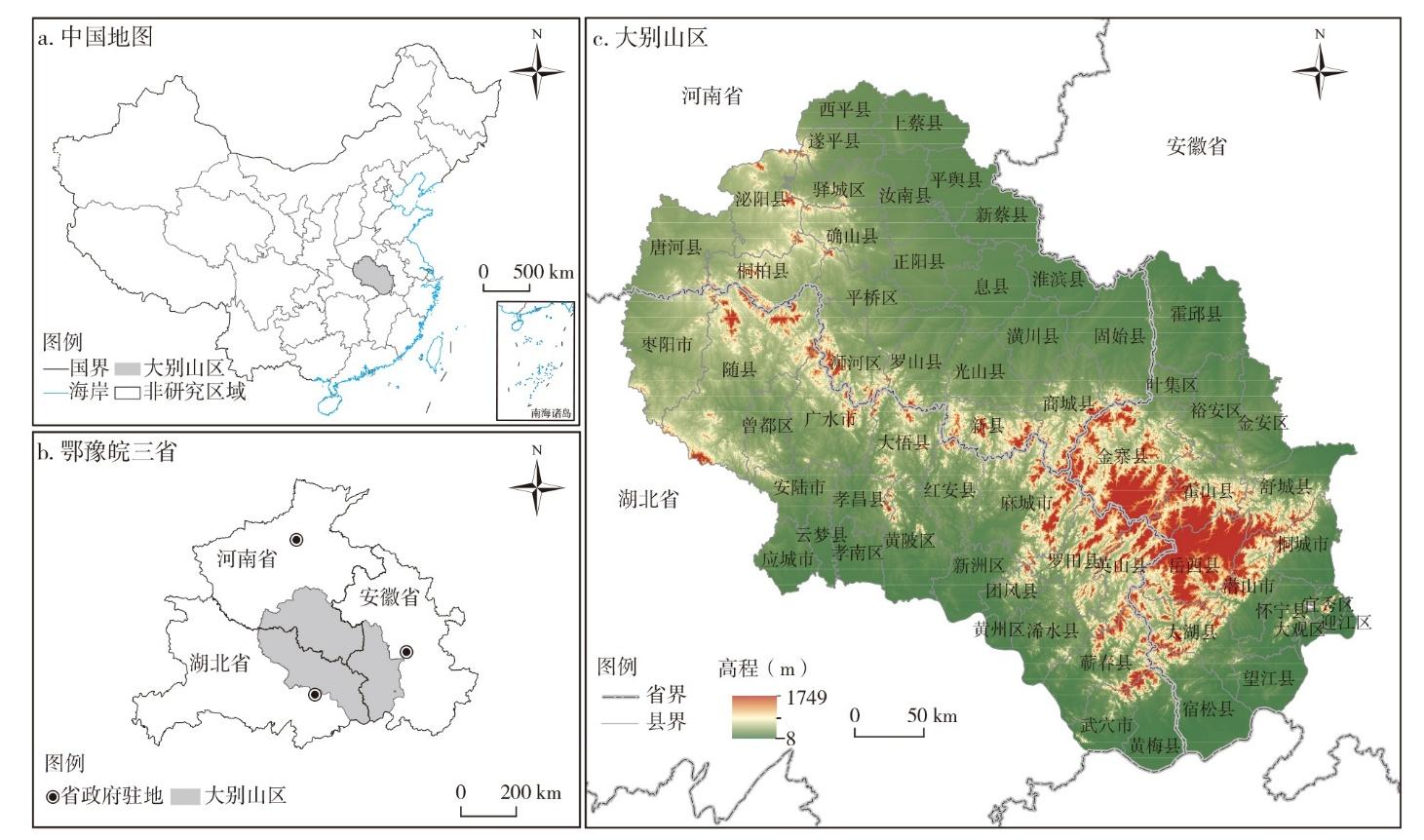
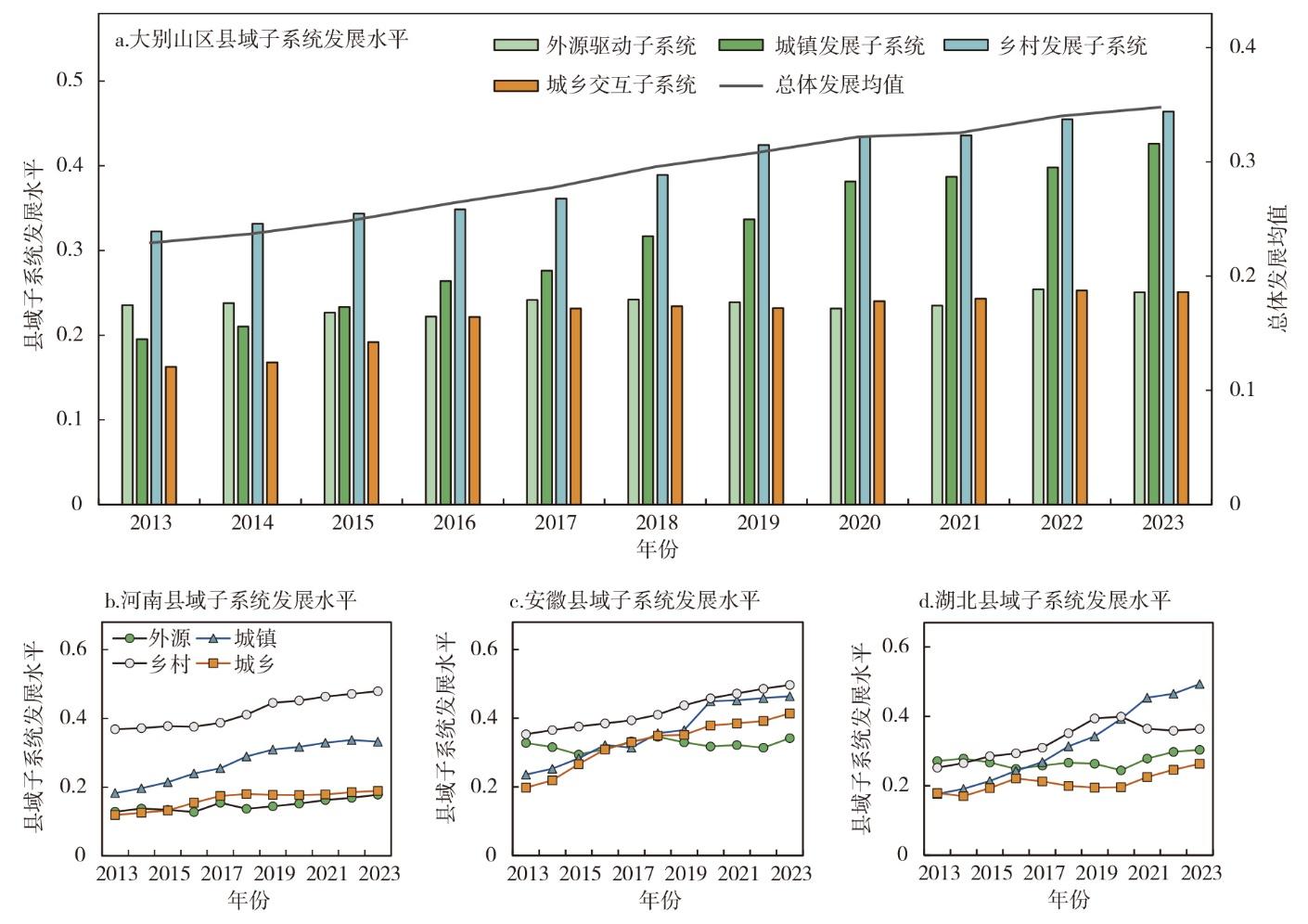
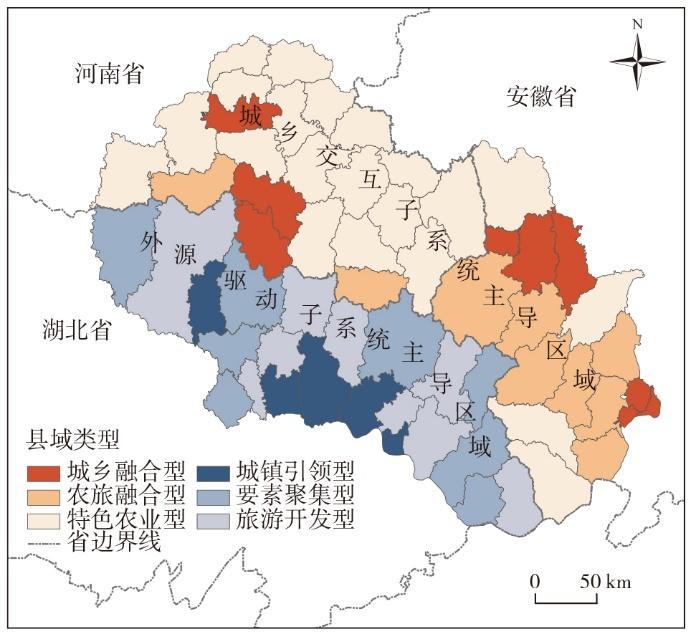
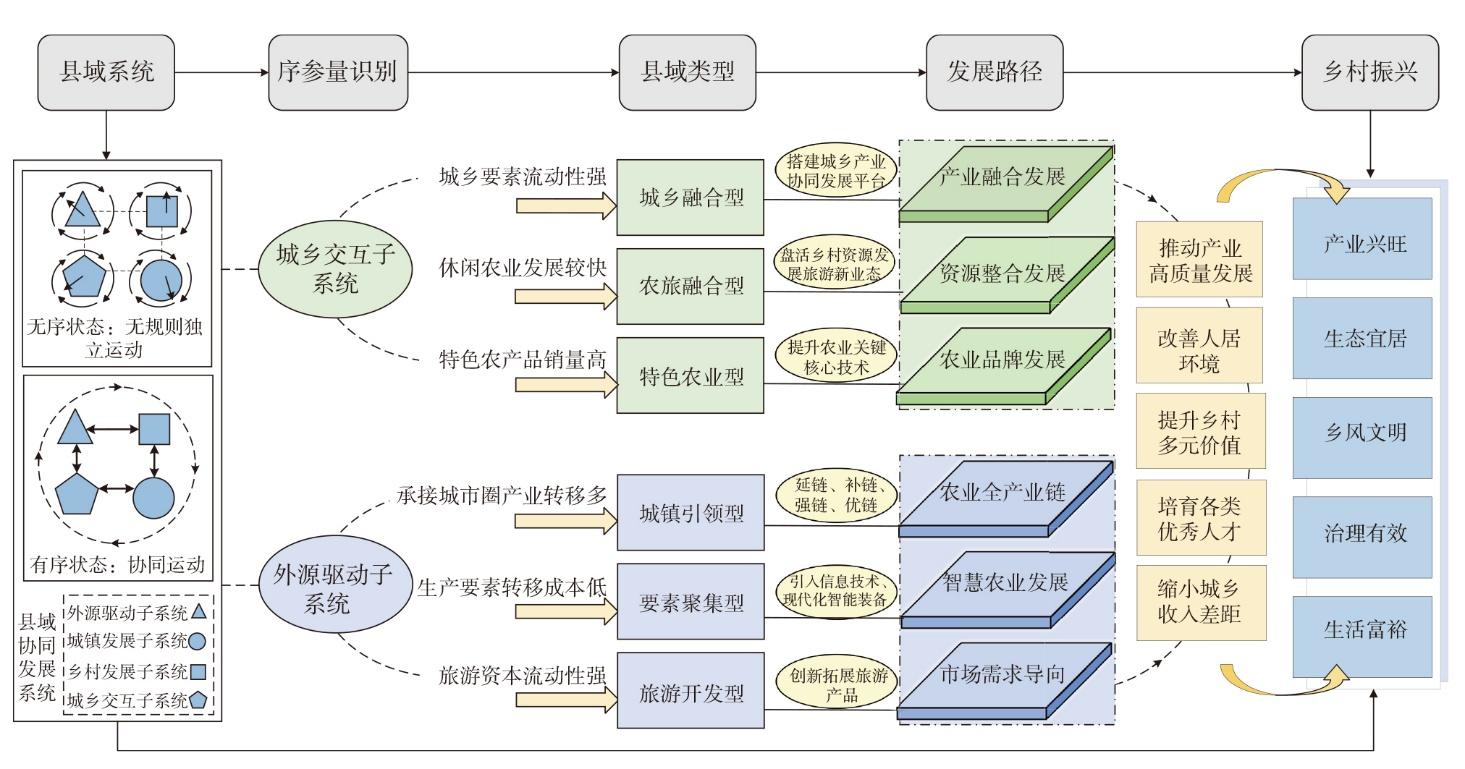
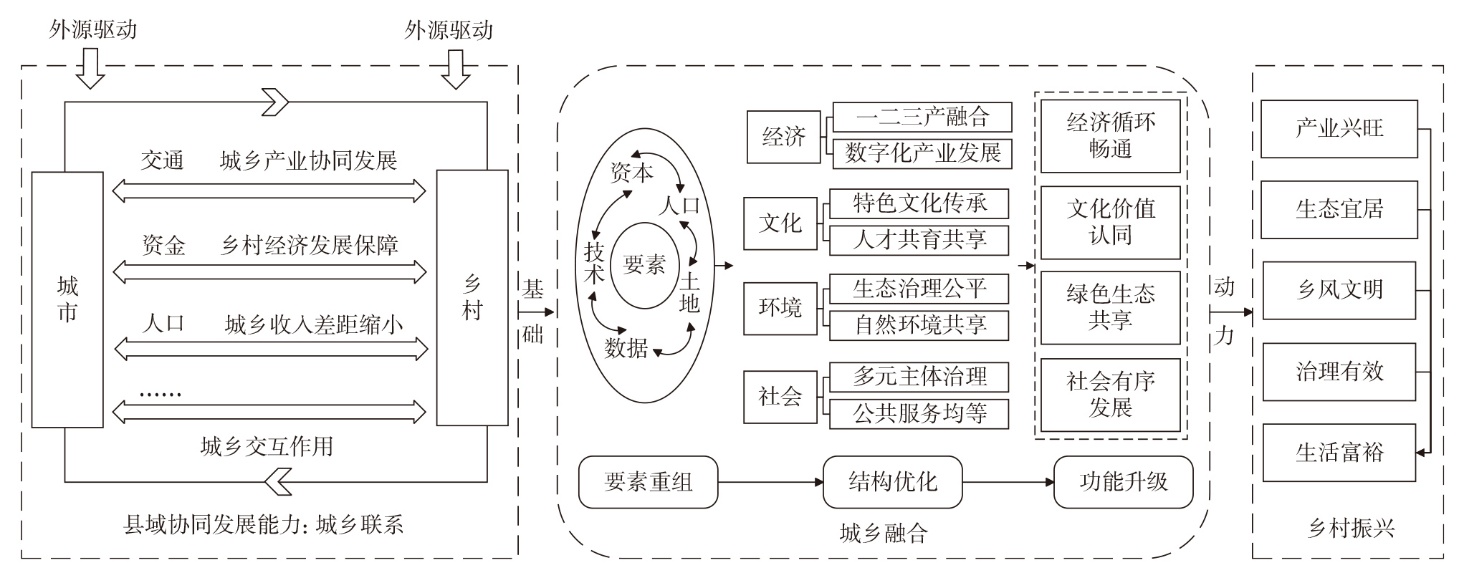
The urban-rural relationship that evolves dynamically determines the rural development model and level. Elucidating the mutually reinforcing logic between the urban-rural relationship at the county scale and rural revitalization is a crucial matter for achieving rural revitalization. From the perspective of coordinated urban-rural development, a coupling framework between urban-rural connection and rural revitalization was established. The Haken model and Self-Organizing Feature Map (SOFM) technology were employed to identify the key order parameters of the county-level coordinated development system in the Dabie Mountains region and to categorize the rural development types under the influence of different urban-rural relationships. The findings reveal that during 2013-2023, there were remarkable disparities in the development levels of county-level subsystems in the Dabie Mountains region, with the rural subsystem experiencing the most rapid growth. The order parameters of the county-level development systems in Henan Province and Anhui Province within the Dabie 1Mountains region shifted from the rural subsystem and the urban subsystem to the urban-rural interaction subsystem respectively, while the order parameter in Hubei Province remained unchanged as the exogenous driving subsystem. The urban-rural development practices in the counties of the Dabie Mountains region can be classified into two types, namely those dominated by the urban-rural interaction subsystem and those dominated by the exogenous driving subsystem. Six development patterns were distilled, including the urban-rural integration pattern, the agricultural-tourism integration pattern, the characteristic agriculture pattern, the urban leadership pattern, the factor aggregation pattern, and the tourism development pattern. Additionally, targeted practical approaches for rural revitalization were proposed.
GAO Junbo , LIU Chunyan , CHENG Xingxing , YU Chao , MA Zhifei . Classification of County-Level Rural Revitalization Types and Path Selection in the Dabie Mountain Area[J]. Economic geography, 2026 , 46(2) : 193 -203 . DOI: 10.15957/j.cnki.jjdl.2026.02.019
表1 县域协同发展评价指标体系及说明Tab.1 Evaluation index system for the coordinated development of county regions |
| 系统 | 准则层 | 指标层 | 方向 | 要素内容(单位) | 与乡村振兴关联 |
|---|---|---|---|---|---|
| 外源驱动(S1) | 政府支持 | 政策优惠 | + | 优惠政策指数 | 侧重产业发展要求 |
| 行政权限 | + | 行政级别指数 | |||
| 社会网络 | 社会联系 | + | 每万人拥有社会组织数量(个) | ||
| 市场竞争 | 涉外资金 | + | 实际利用外资占GDP比重(%) | ||
| 外部资金 | + | 实际利用省外资金占GDP比重(%) | |||
| 城镇发展(S2) | 支持系统 | 城镇化 | + | 城镇化率(%) | 侧重社会—乡风治理要求 |
| 教育程度 | + | 高中及以下教育人口比重(%) | |||
| 发展态势 | 收入水平 | + | 城镇居民人均可支配收入(元) | ||
| 产业发展 | + | 近三年二三产业增加值增长率(%) | |||
| 转型升级 | 研发能力 | + | 每万人拥有专利数量(件) | ||
| 环境约束 | 空气质量 | - | 月均PM2.5值 | 侧重生态要求 | |
| 乡村发展(S3) | 支持系统 | 人口密度 | + | 乡村人口数/乡村地域面积(人/km2) | 侧重社会—乡风治理要求 |
| 教育程度 | + | 中职及以下教育人口比重(%) | |||
| 发展态势 | 收入水平 | + | 乡村居民人均可支配收入(元) | ||
| 产业发展 | + | 近3年农林牧渔增加值增长率(%) | |||
| 转型升级 | 农业现代化 | + | 单位播种面积农用机械总动力(kW/hm2) | ||
| 环境约束 | 资源环境 | - | 单位播种面积化肥施用量(kg/ha) | 侧重生态要求 | |
| 城乡交互(S4) | 网络密度 | 交通网络 | + | 单位面积等级以上公路里程数(km/km²) | 侧重产业发展—生活条件要求 |
| 金融网络 | + | 每万人拥有银行网点数(个) | |||
| 物流网络 | + | 每万人拥有快递网点数(个) | |||
| 流通强度 | 人口流动 | + | 乡村从业人口中非农从业占比(%) | ||
| 消费流动 | + | 每万人拥有农家乐数量(家) | |||
| 资本流动 | + | 金融机构存贷比(%) |
备注:构建优惠政策指数是依据县域内国家级开发区、省级产业集聚区、国家级、省级的荣誉称号、试点、示范单位等数量,分别对应赋10分、6分、2分、1分加权计算得出;构建行政级别指数是省辖县级市、市辖区、省直管县级市、县级市、省直管县、扩权县、一般县分别对应赋12分、10分、9分、8分、7分、6分、5分计算得出,在参考文献[22]基础上修改完善。 |
表2 大别山区不同省份县域系统的序参量识别Tab.2 Identification of order parameters of the county region system in the Dabie Mountains areas |
| 省份 | 阶段 | 模型假设 | 运动方程 | 参数信息 | 模型结论 |
|---|---|---|---|---|---|
| 河南 | Ⅰ | q1=S3 q2=S1 | | γ1=-0.009,a=0.007 γ2=0.031,b=0.105 | 方程成立, S3是序参量 |
| Ⅱ | q1=S4 q2=S1 | | γ1=-0.005,a=0.009 γ2=0.037,b=0.165 | 方程成立, S4是序参量 | |
| 安徽 | Ⅰ | q1=S2 q2=S1 | | γ1=-0.003,a=-0.222 γ2=0.311,b=0.376 | 方程成立, S2是序参量 |
| Ⅱ | q1=S4 q2=S1 | | γ1=-0.029,a=0.061 γ2=0.118,b=0.093 | 方程成立, S4是序参量 | |
| 湖北 | q1=S1 q2=S4 | | γ1=-0.004,a=-0.003 γ2=0.034,b=0.041 | 方程成立, S1是序参量 |
备注:表中,S1、S2 、S3和S4分别表示外源驱动子系统、城镇发展子系统、乡村发展子系统和城乡交互子系统;Ⅰ和Ⅱ分别表示2013—2017年、2018—2023年2个阶段。 |
| [1] |
段锴丰, 施建刚, 吴光东, 等. 城乡融合系统:理论阐释、结构解析及运行机制分析[J]. 人文地理, 2023, 38(3):1-10.
|
| [2] |
|
| [3] |
郭远智, 刘彦随. 中国乡村发展进程与乡村振兴路径[J]. 地理学报, 2021, 76(6):1408-1421.
|
| [4] |
文琦, 郑殿元, 施琳娜. 1949—2019年中国乡村振兴主题演化过程与研究展望[J]. 地理科学进展, 2019, 38(9):1272-1281.
|
| [5] |
|
| [6] |
杜国明, 刘美. 基于要素视角的城乡关系演化理论分析[J]. 地理科学进展, 2021, 40(8):1298-1309.
|
| [7] |
文琦, 郑殿元. 西北贫困地区乡村类型识别与振兴途径研究[J]. 地理研究, 2019, 38(3):509-521.
|
| [8] |
梁发超, 朱润苗, 刘黎明. 基于质量评价的乡村振兴类型识别及优化路径——以福建省为例[J]. 经济地理, 2023, 43(3):172-179.
|
| [9] |
陈国生, 刘小凤, 蒋淑玲, 等. 湖南省乡村振兴耦合协调发展测度与路径选择研究[J]. 经济地理, 2019, 39(5):191-197.
|
| [10] |
李俊蓉, 林荣日. 政府支持农民工返乡创业对乡村振兴的效应研究——基于返乡创业试点政策的双重差分检验[J]. 中国农业资源与区划, 2024, 45(1):150-162.
|
| [11] |
姚林香, 卢光熙. 革命老区振兴规划实施的乡村振兴效应——基于对省界毗邻地区县域样本的分析[J]. 中国农村经济, 2023(3):22-44.
|
| [12] |
尹君锋, 石培基, 黄万状, 等. 甘肃省县域乡村振兴与新型城镇化耦合协调发展的时空分异特征及影响因素[J]. 自然资源学报, 2023, 38(8):2148-2168.
|
| [13] |
陈志军, 徐飞雄. 乡村旅游地旅游发展对乡村振兴的影响效应与机理——以关中地区为例[J]. 经济地理, 2022, 42(2):231-240.
|
| [14] |
|
| [15] |
肖晔, 许译文, 吴必虎. 海南岛村庄空间格局、影响因素及类型划分[J]. 地理科学, 2023, 43(8):1410-1422.
|
| [16] |
洪惠坤, 蔡智聪, 廖和平, 等. 西南丘陵山区县域乡村居业协同空间分异机制与优化对策——以重庆市37个区县为例[J]. 自然资源学报, 2023, 38(10):2581-2598.
|
| [17] |
高军波, 孙健武, 喻超, 等. 县域协同发展能力的理论内涵及定量测度[J]. 地理研究, 2023, 42(6):1465-1479.
|
| [18] |
|
| [19] |
方创琳, 李广东, 戚伟, 等. “胡焕庸线”东西部城乡发展不平衡趋势及沿博台线微突破策略[J]. 地理学报, 2023, 78(2):443-455.
|
| [20] |
郭远智, 王介勇. 中国城乡转型的时空格局及其优化决策[J]. 地理科学进展, 2021, 40(11):1799-1811.
|
| [21] |
龙井然, 杜姗姗, 张景秋. 文旅融合导向下的乡村振兴发展机制与模式[J]. 经济地理, 2021, 41(7):222-230.
|
| [22] |
李国梁, 高建华, 刘丙章. 基于协同学的航空港经济区与区域协同发展研究——以郑州航空港经济综合实验区与河南省为例[J]. 人文地理, 2018, 33(1):115-123.
|
| [23] |
王昊, 朱淑贤, 韦茜, 等. 城市基础设施与经济发展协同度评价及其敏感性分析——以中国84个重点城市为例[J]. 经济地理, 2023, 43(8):21-30.
|
| [24] |
李琳, 刘莹. 中国区域经济协同发展的驱动因素——基于哈肯模型的分阶段实证研究[J]. 地理研究, 2014, 33(9):1603-1616.
|
| [25] |
沈小峰, 郭治安. 协同学的方法论问题[J]. 北京师范大学学报(自然科学版), 1984(1):89-95.
|
| [26] |
|
| [27] |
孙才志, 张少芳. 中国海洋经济包容性与效率的协同关系[J]. 经济地理, 2023, 43(5):57-67.
|
| [28] |
杨和平, 李红波, 向道艳, 等. 长江中游城市群城乡共同富裕水平测度及区域差异[J]. 经济地理, 2024, 44(8):87-96.
|
| [29] |
邹易, 蒙吉军, 吴英迪, 等. 基于自组织特征映射模型(SOFM)网络的中国自然资源生态安全区划[J]. 生态学报, 2024, 44(1):171-182.
|
| [30] |
杜国明, 薛濡壕, 王介勇. 村域尺度乡村振兴评价及推进路径——以黑龙江省拜泉县为例[J]. 经济地理, 2021, 41(8):19-27.
|
| [31] |
张晓蕾, 尚航标. 红色基因激发革命老区乡村振兴的多元路径——基于晋鲁豫3省21个乡村案例的组态分析[J]. 中国农业资源与区划, 2025, 46(11):56-72.
|
| [32] |
高军波, 张欣怡, 喻超, 等. 巩固拓展脱贫攻坚成果同乡村振兴有效衔接研究进展及展望[J]. 信阳师范学院学报(哲学社会科学版), 2022, 42(6):28-34.
|
| [33] |
代蕊莲, 豆浩健, 张佳, 等. 基于乡村多元价值的乡村振兴类型与路径——以重庆市为例[J]. 资源科学, 2023, 45(2):450-463.
|
/
| 〈 |
|
〉 |