


Matching Characteristics of Virtual-physical Spaces in Internet-famous Tourist Spots and Its Machanism: A Case Study of Nanjing City
Received date: 2025-05-29
Revised date: 2025-12-15
Online published: 2026-02-12
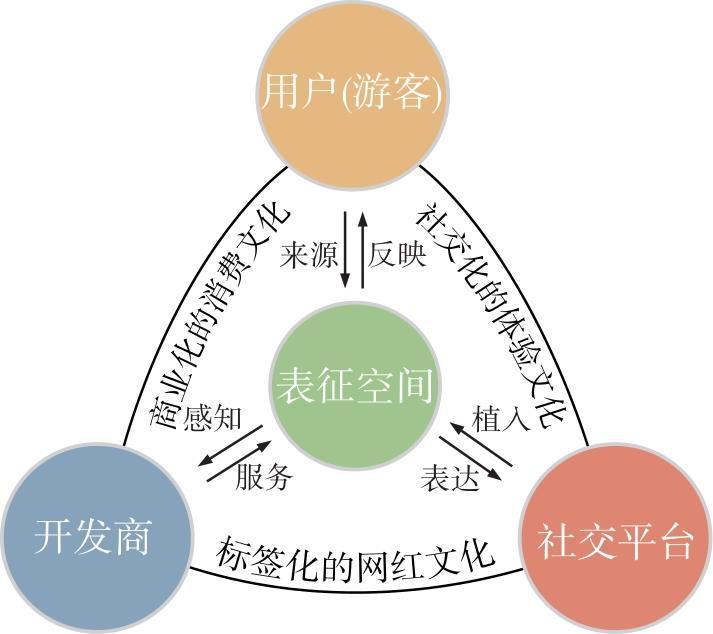
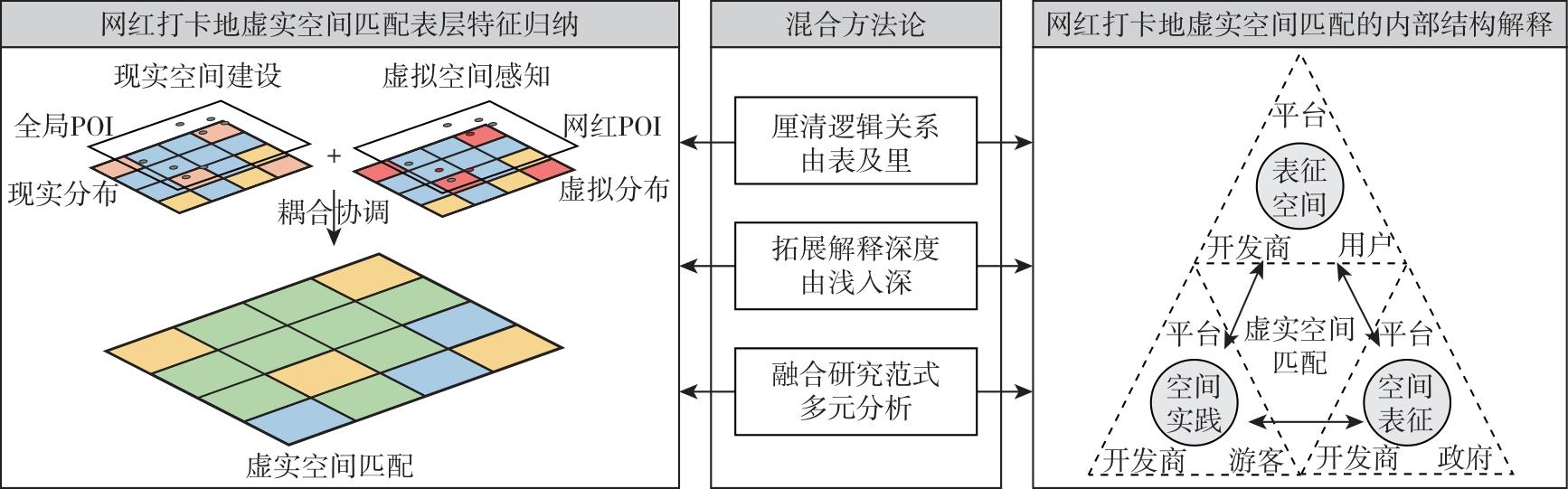
As a product of tourism development in the era of information and communication technology (ICT), investigating the matching relationship and spatial production mechanisms between virtual and physical spaces of internet-famous tourist spots can deepen the understanding of emerging consumption spaces in Chinese cities. From the perspective of virtual-physical spatial interaction, this paper adopts an empirical-structuralist mixed methodology and employs network text mining, kernel density estimation, and a coupling coordination model to analyze the spatial characteristics and matching mechanisms of virtual and real spaces in Nanjing. The findings reveal that: 1) The physical construction density of internet-famous tourist spots exhibits a pronounced monocentric pattern, whereas the density of virtual spatial perception displays a core-periphery expansion. Overall, the coupling between virtual and physical spaces shows a concentric layered structure, There is a notable mismatch between physical construction and virtual perception in certain central areas. 2) From a mechanistic perspective, spatial practice constitutes a production process dominated by capital, in which interest-based collaboration between platforms and scenic spots, together with users' transformation into tourists, serves as a key bridge linking virtual and real spaces. Spatial representations reflect a virtual-physical interaction embedded within power relations, manifested through strategic negotiations among platforms, scenic spots, governments, and tourists. Finally, representational space embodies a process of social evolution shaped by cultural contexts, characterized by the transformation of profit-oriented consumption culture, socialized experiential culture, and labeled popular culture.
LIU Qianqian , ZHANG Wenzhong , XU Ruiliang , ZHAO Jincai . Matching Characteristics of Virtual-physical Spaces in Internet-famous Tourist Spots and Its Machanism: A Case Study of Nanjing City[J]. Economic geography, 2026 , 46(1) : 247 -255 . DOI: 10.15957/j.cnki.jjdl.2026.01.024
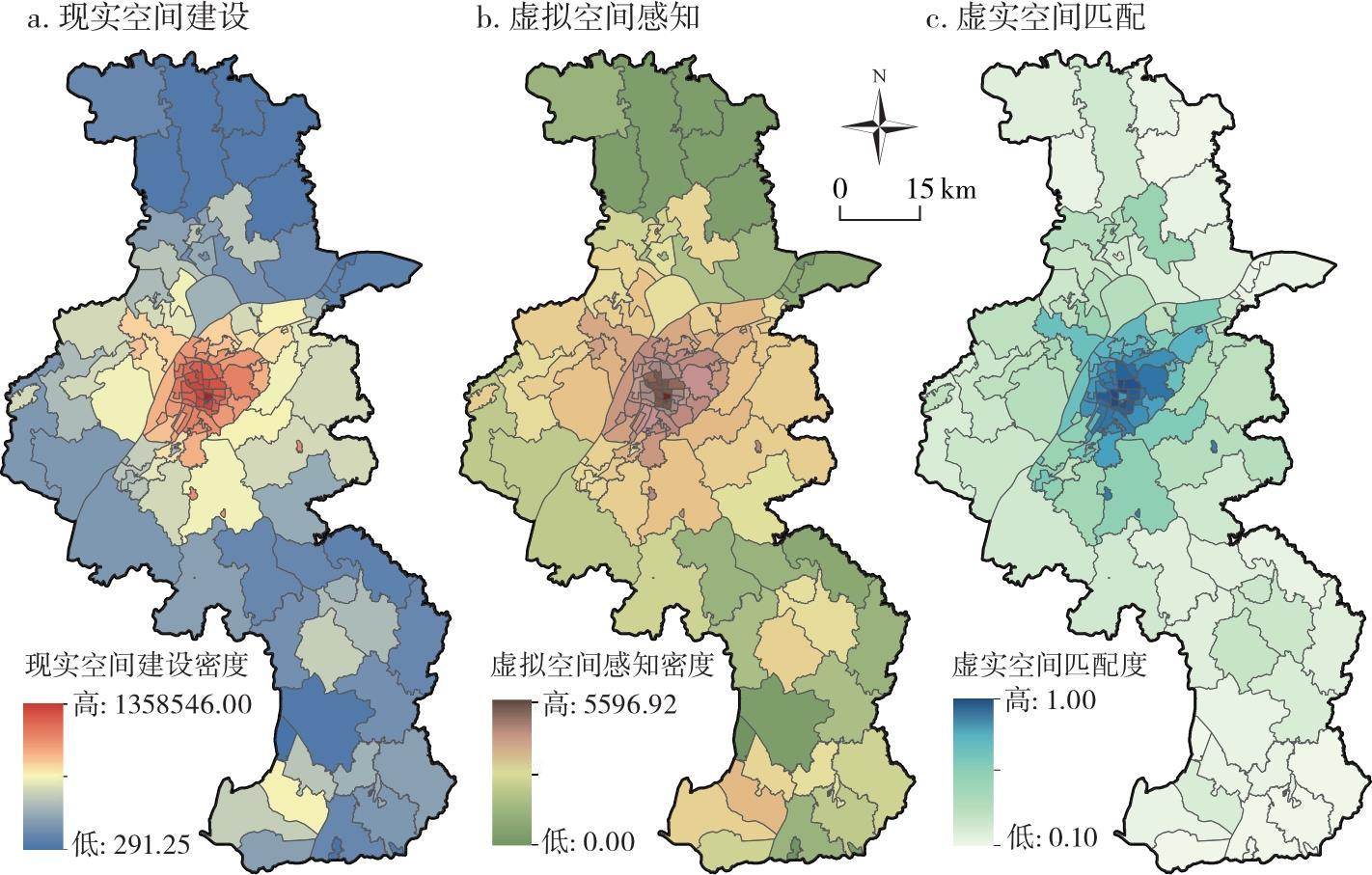
图2 南京市网红打卡地虚实空间密度及匹配度空间分布Fig.2 Construction density of physical space, perceived density of virtual space, and matching degree between physical and virtual spaces of internet-famous tourist spots in Nanjing City |
表1 南京市网红打卡地现实空间建设和虚拟空间感知的高密度代表街道及其分区Tab.1 High-density representative neighborhoods and their subdivisions in Nanjing's internet-famous tourist spots' physical space construction and virtual space perception |
| 排序 | 街道名称 | 现实空间建设密度 | 分区 | 街道名称 | 虚拟空间感知密度 | 分区 |
|---|---|---|---|---|---|---|
| 1 | 夫子庙街道 | 1358546.00 | 核心区 | 朝天宫街道 | 5596.92 | 核心区 |
| 2 | 洪武路街道 | 1162459.00 | 夫子庙街道 | 5367.33 | ||
| 3 | 朝天宫街道 | 177705.50 | 洪武路街道 | 5035.89 | ||
| 4 | 五老村街道 | 161162.00 | 新街口街道 | 4769.34 | ||
| 5 | 新街口街道 | 160767.00 | 夫子庙街道 | 4491.39 | ||
| 6 | 兴隆街道 | 29772.12 | 过渡区 | 仙林街道 | 632.86 | 过渡区 |
| 7 | 光华路街道 | 28769.37 | 梅山街道 | 458.81 | ||
| 8 | 红山街道 | 26428.40 | 光华路街道 | 428.03 | ||
| 9 | 玄武湖街道 | 26377.71 | 栖霞街道 | 173.05 | ||
| 10 | 仙林街道 | 9958.26 | 秣陵街道 | 112.68 | ||
| 11 | 秣陵街道 | 5840.48 | 边缘区 | 江心洲街道 | 105.18 | 边缘区 |
| 12 | 淳化街道 | 4424.54 | 六合开发区 | 95.16 | ||
| 13 | 永宁街道 | 4421.26 | 八卦洲街道 | 70.17 | ||
| 14 | 江宁街道 | 1513.08 | 淳化街道 | 13.81 | ||
| 15 | 马鞍街道 | 851.68 | 江宁街道 | 6.44 |
注:由于街道数量众多,因此每个分区仅展示5个代表街道。 |
表2 南京市网红打卡地虚拟空间感知的代表地点Tab.2 Representative locations of virtual space perception of internet-famous tourist spots in Nanjing City |
| 排序 | 地名 | 主题 | 词频 | 排序 | 地名 | 主题 | 词频 | |
|---|---|---|---|---|---|---|---|---|
| 1 | 玄武湖公园 | 观景游憩 | 39 | 11 | 中山陵 | 观景游憩 | 16 | |
| 2 | 颐和公馆 | 历史体验 | 38 | 12 | 南京城墙 | 观景游憩 | 14 | |
| 3 | 新街口 | 商业消费 | 34 | 13 | 梧桐大道 | 观景游憩 | 12 | |
| 4 | 南京博物院 | 历史体验 | 28 | 14 | 牛首山 | 观景游憩 | 10 | |
| 5 | 先锋书店 | 文化休闲 | 28 | 15 | 总统府 | 历史体验 | 7 | |
| 6 | 南京夫子庙 | 观景游憩 | 26 | 16 | 钟山 | 观景游憩 | 6 | |
| 7 | 老门东 | 观景游憩 | 21 | 17 | 圣保罗教堂 | 文化休闲 | 5 | |
| 8 | 古鸡鸣寺 | 文化休闲 | 21 | 18 | 梅园新村 | 历史体验 | 5 | |
| 9 | 秦淮河风光带 | 观景游憩 | 19 | 19 | 紫峰大厦 | 观景游憩 | 5 | |
| 10 | 南京博物馆 | 历史体验 | 18 | 20 | 美龄宫 | 历史体验 | 5 |
表3 南京市网红打卡地虚实空间匹配各等级代表街道Tab.3 Representative neighborhoods for each matching level of virtual-physical spaces of internet-famous tourist spots in Nanjing City |
| 街道名称 | 耦合度 | 协调指数 | 耦合协调度 | 匹配等级 |
|---|---|---|---|---|
| 朝天宫街道 | 1.00 | 0.99 | 1.00 | 耦合并且协调 |
| 新街口街道 | 1.00 | 0.87 | 0.93 | |
| 夫子庙街道 | 1.00 | 0.80 | 0.89 | 相对耦合协调 |
| 玄武门街道 | 1.00 | 0.55 | 0.74 | |
| 孝陵卫街道 | 1.00 | 0.32 | 0.56 | 一般耦合协调 |
| 红山街道 | 1.00 | 0.16 | 0.40 | |
| 仙林街道 | 0.95 | 0.09 | 0.29 | 耦合但不协调 |
| 栖霞街道 | 1.00 | 0.04 | 0.21 | |
| 六合开发区 | 1.00 | 0.03 | 0.16 | 不耦合且失调 |
| 江宁街道 | 0.99 | 0.01 | 0.11 |
注:由于街道数量众多,因此每个匹配等级仅展示2个代表街道。 |
| [1] |
黄耿志, 吴康, 戴俊骋, 等. 奶茶经济的地理学批判与研究议题[J]. 经济地理, 2021, 41(12):1-11.
|
| [2] |
|
| [3] |
江海燕, 宋天昊, 李世杰, 等. 数字化背景下城市虚实活力空间格局特征——以广州为例[J]. 热带地理, 2023, 43(4):695-706.
|
| [4] |
梁璐, 焦瑛, 李九全, 等. 媒介地理学视角下的城市网红消费空间感知与建构——以长安十二时辰主题街区为例[J]. 经济地理, 2024, 44(10):205-213.
|
| [5] |
殷紫燕, 黄安民. 网红旅游打卡地属性及口碑传播机制研究[J]. 资源开发与市场, 2023, 39(10):1400-1408.
|
| [6] |
郭文. 面向新唯物主义的文化地理学研究[J]. 地理学报, 2023, 78(12):2922-2938.
|
| [7] |
刘天宝, 马嘉铭. 空间生产理论在中国城镇化研究中的应用进展与展望[J]. 地理科学进展, 2023, 42(5):998-1011.
|
| [8] |
叶超, 柴彦威, 张小林. “空间的生产”理论、研究进展及其对中国城市研究的启示[J]. 经济地理, 2011, 31(3):409-413.
|
| [9] |
|
| [10] |
张京祥, 胡毅, 孙东琪. 空间生产视角下的城中村物质空间与社会变迁——南京市江东村的实证研究[J]. 人文地理, 2014, 29(2):1-6.
|
| [11] |
|
| [12] |
李伯华, 张浩, 窦银娣, 等. 景观修复与文化塑造:传统村落的空间生产与符号构建——以湖南省通道县皇都侗文化村为例[J]. 地理科学进展, 2023, 42(8):1609-1622.
|
| [13] |
张文力, 朱喜钢, 何思琪, 等. “后乡村”语境下成都竹艺村的空间生产研究——基于三重乡村空间模型的视角[J]. 热带地理, 2024, 44(2):280-291.
|
| [14] |
张姗琪, 甄峰, 孔宇, 等. 基于虚实空间交互的社区生活圈服务设施评估与优化配置:研究进展与展望[J]. 自然资源学报, 2023, 38(10):2435-2446.
|
| [15] |
孙中伟, 路紫, 王杨. 网络信息空间的地理学研究回顾与展望[J]. 地球科学进展, 2007(10):1005-1011.
|
| [16] |
方凌智, 沈煌南. 技术和文明的变迁——元宇宙的概念研究[J]. 产业经济评论, 2022(1):5-19.
|
| [17] |
|
| [18] |
|
| [19] |
|
| [20] |
郭文. 空间的生产与分析:旅游空间实践和研究的新视角[J]. 旅游学刊, 2016, 31(8):29-39.
|
| [21] |
王楚君, 王亚力, 向小辉. 山水实景演出的空间生产研究:以《桃花源记》实景演出为例[J]. 地理科学, 2021, 41(2):310-318.
|
| [22] |
方格格, 华伊然. 定位即锚记:地理位置打卡与城市空间生产[J]. 当代青年研究, 2023(5):10-21.
|
| [23] |
|
| [24] |
鲍捷, 陆林, 凌善金, 等. 新安江流域旅游空间生产及其演化逻辑[J]. 地理学报, 2023, 78(10):2609-2629.
|
| [25] |
姜红. 空间生产理论视角下城市公共空间规划实施机制研究[J]. 城市发展研究, 2023, 30(5):45-51.
|
| [26] |
牟伦超, 程励. 空间生产视域下“古”镇旅游的地方营造——以恩施土家女儿城为例[J]. 旅游学刊, 2023, 38(3):107-124.
|
| [27] |
周梦, 卢小丽, 朱静敏, 等. 媒介朝圣视角下非景区型网红旅游地的探索性研究[J]. 旅游科学, 2023, 37(1):59-74.
|
| [28] |
毛子丹, 赵莹, 刘方宇. 基于混合方法论的行为地理学主客观融合创新与实践[J]. 地理研究, 2024, 43(9):2284-2294.
|
| [29] |
|
| [30] |
杨莹, 马怡然. 景观社会视角下网红景点形象感知偏差形成机制[J]. 经济地理, 2024, 44(2):219-227.
|
| [31] |
谭红日, 刘沛林, 李伯华. 基于网络文本分析的大连市旅游目的地形象感知[J]. 经济地理, 2021, 41(3):231-239.
|
| [32] |
方世敏, 黄琰. 长江经济带旅游效率与规模的时空演化及耦合协调[J]. 地理学报, 2020, 75(8):1757-1772.
|
| [33] |
梁璐, 符鸿燕, 李九全, 等. 网红城市网络关注度时空动态演变及影响因素研究——以西安市为例[J]. 地理科学, 2022, 42(9):1566-1576.
|
| [34] |
汪劲柏, 穆艳霞, 王治元. 互联网时代城市空间运营热点地区的分布与发展特征研究——以上海“网红打卡地”为例[J]. 城市发展研究, 2022, 29(10):19-26.
|
| [35] |
严小翔, 李济翔. 网红城市何以长红?影响城市品牌可持续性的因素——基于26个案例的模糊集定性比较分析[J]. 城市发展研究, 2024, 31(6):38-46.
|
| [36] |
陈晓红, 李杨扬, 汪阳洁, 等. 网红城市、流量效应与旅游发展[J]. 管理科学学报, 2022, 25(1):1-22.
|
| [37] |
|
/
| 〈 |
|
〉 |