


Coupling Characteristics of the "Dual Chain" Network in the Biomedicine of the Yangtze River Delta and Its Optimization of Production Space
Received date: 2025-07-18
Revised date: 2025-11-03
Online published: 2026-02-12
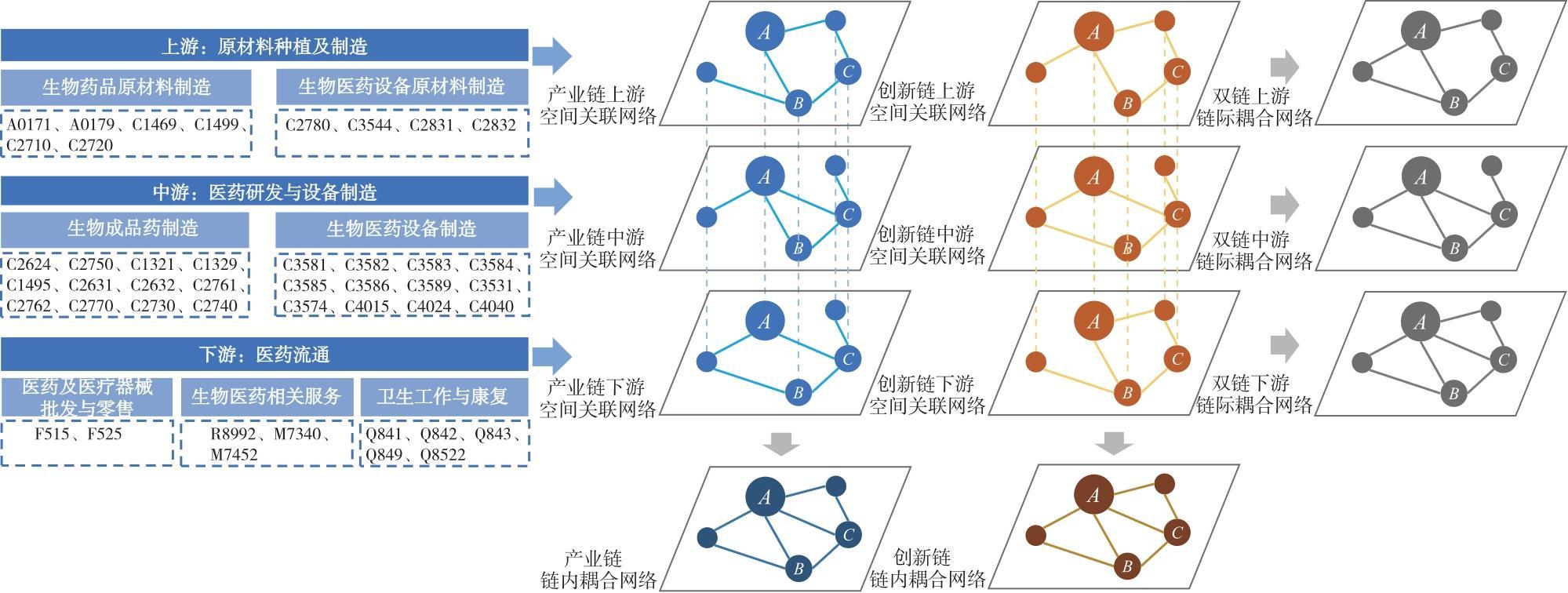
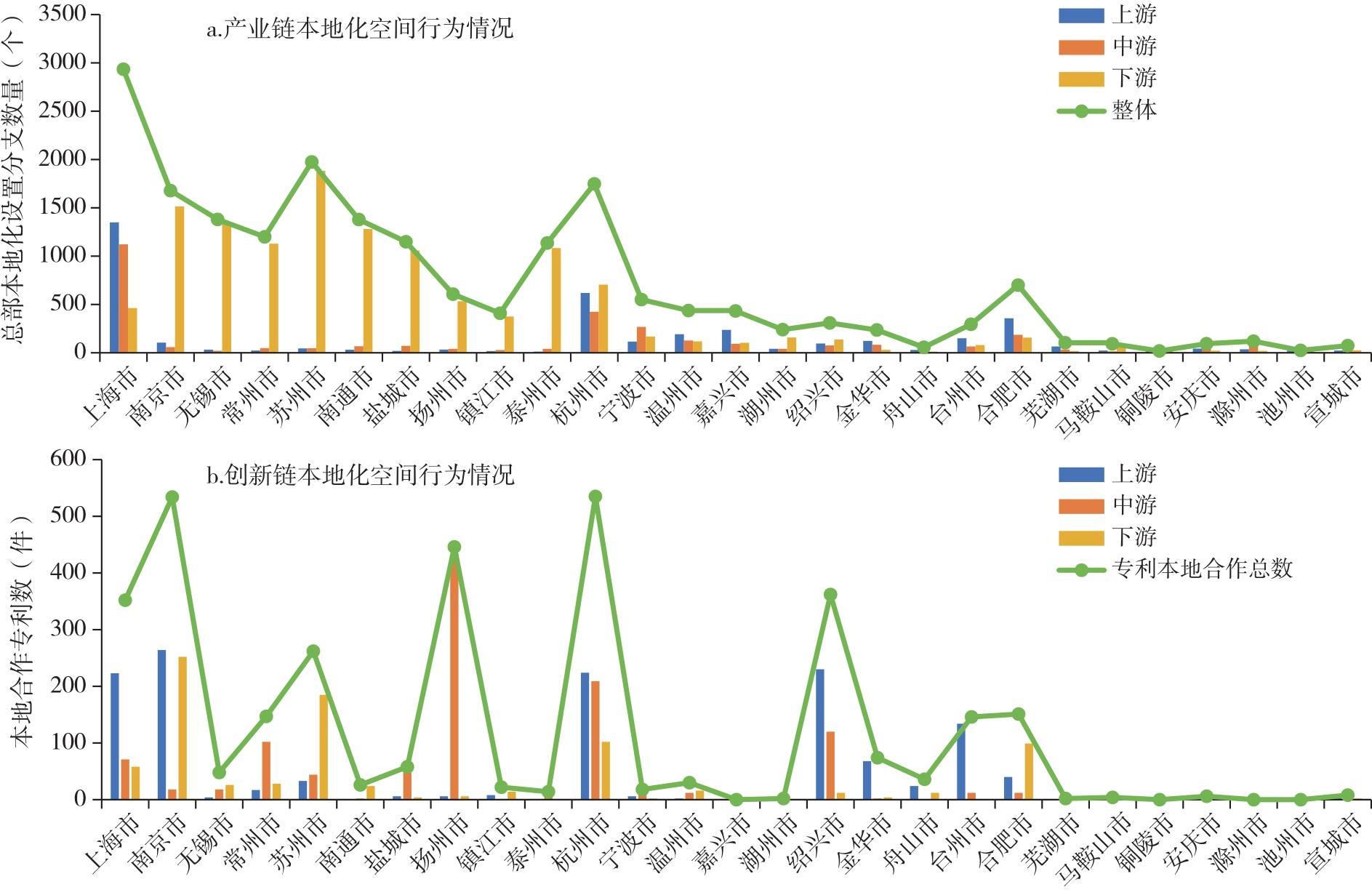
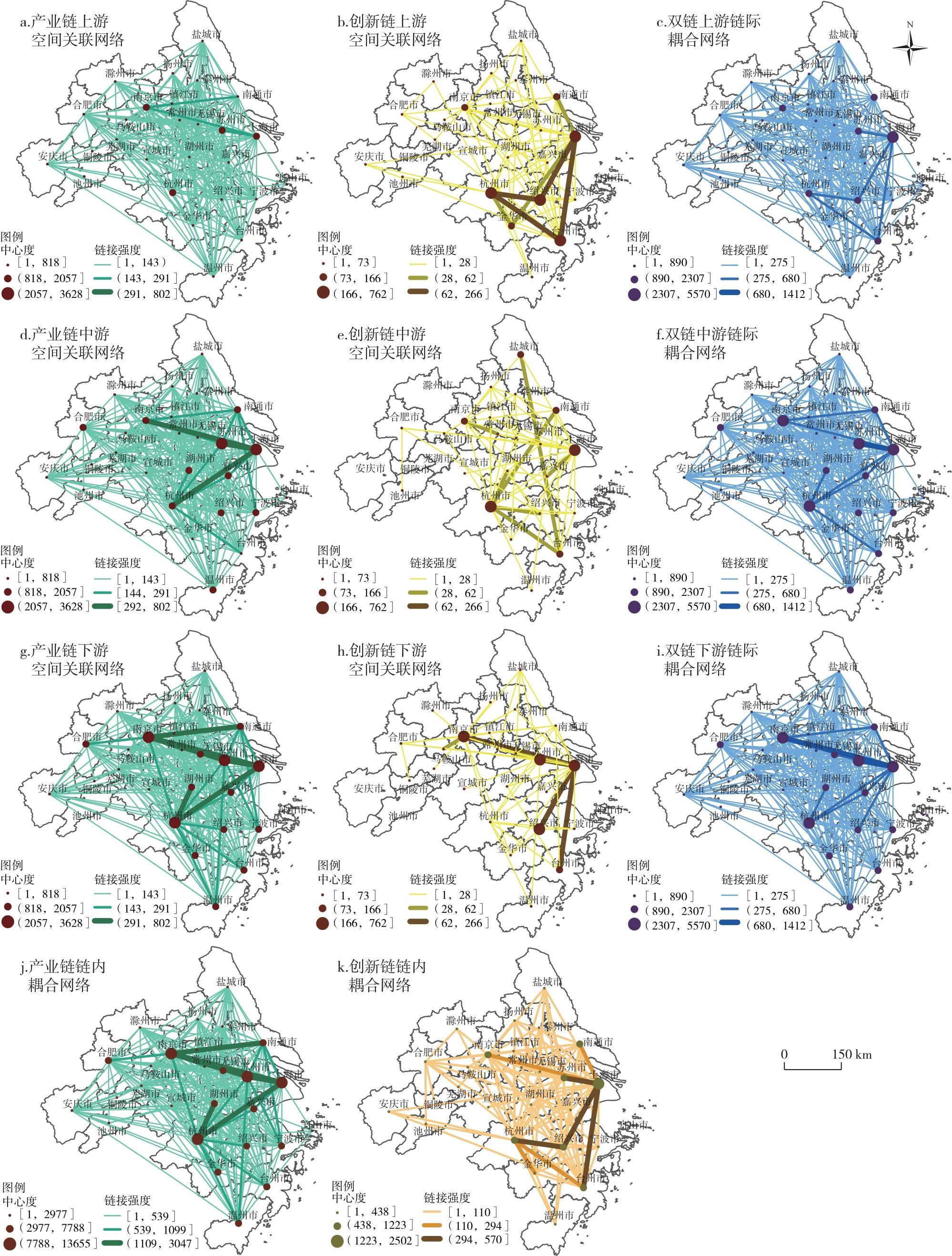
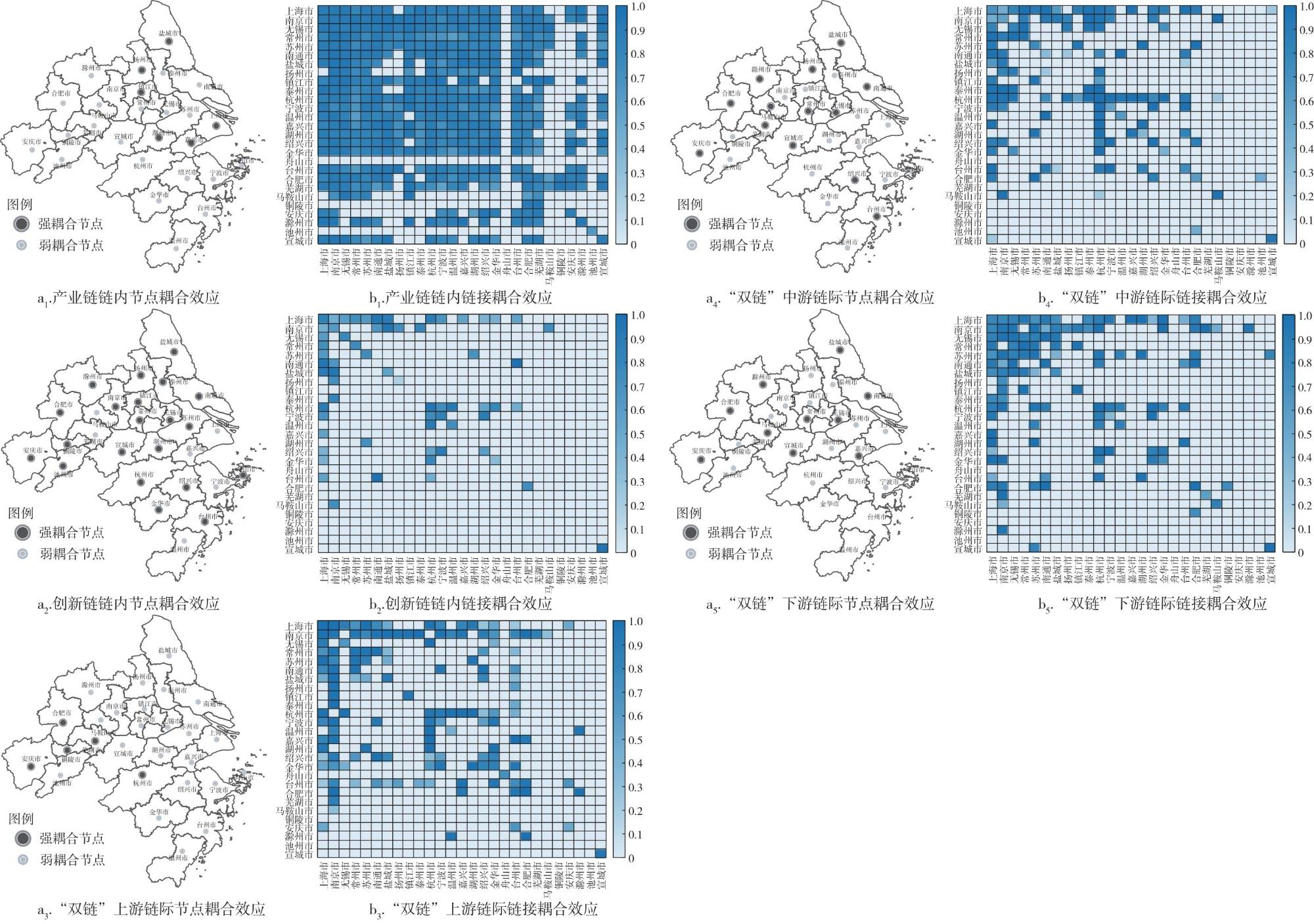
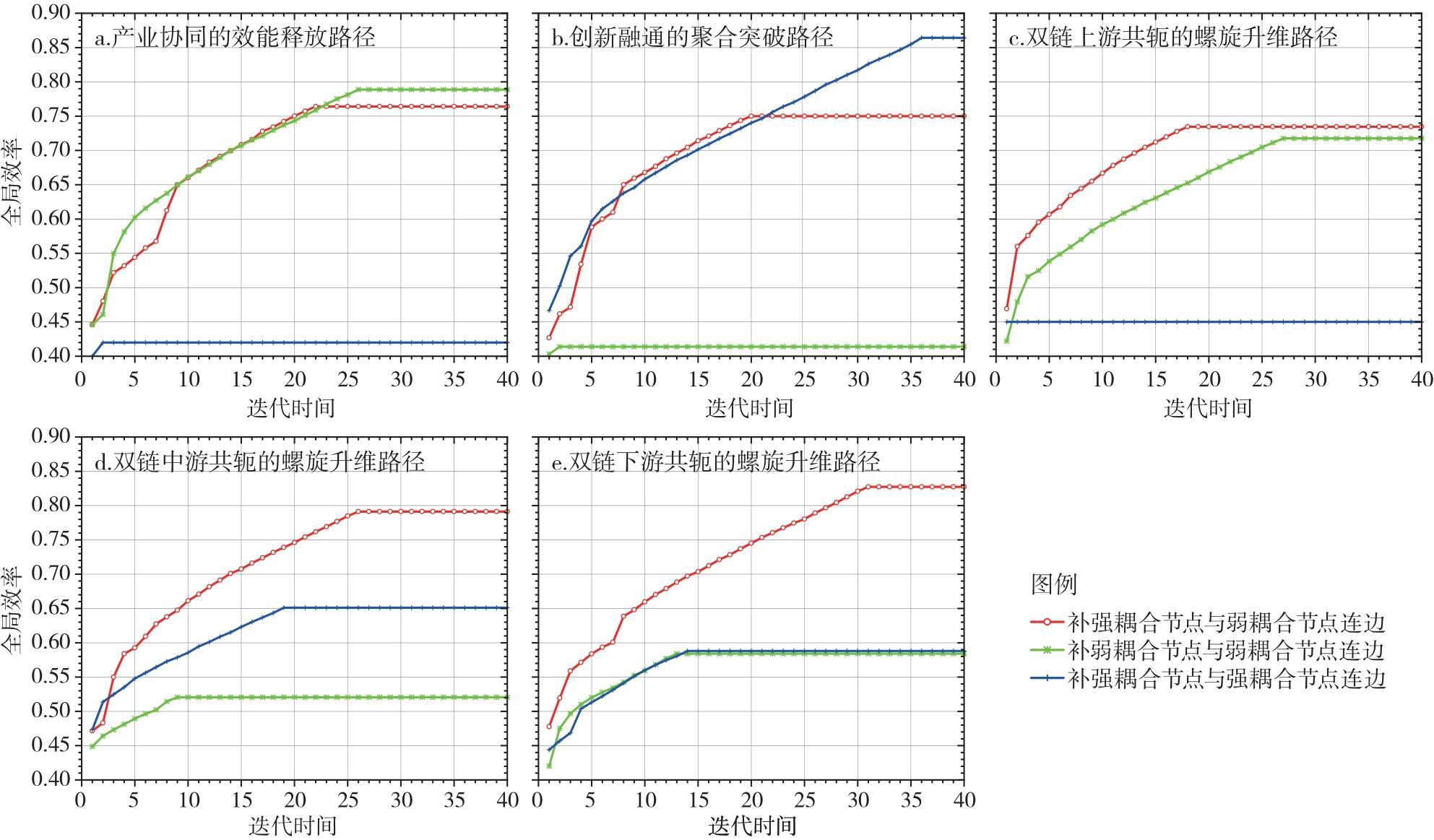
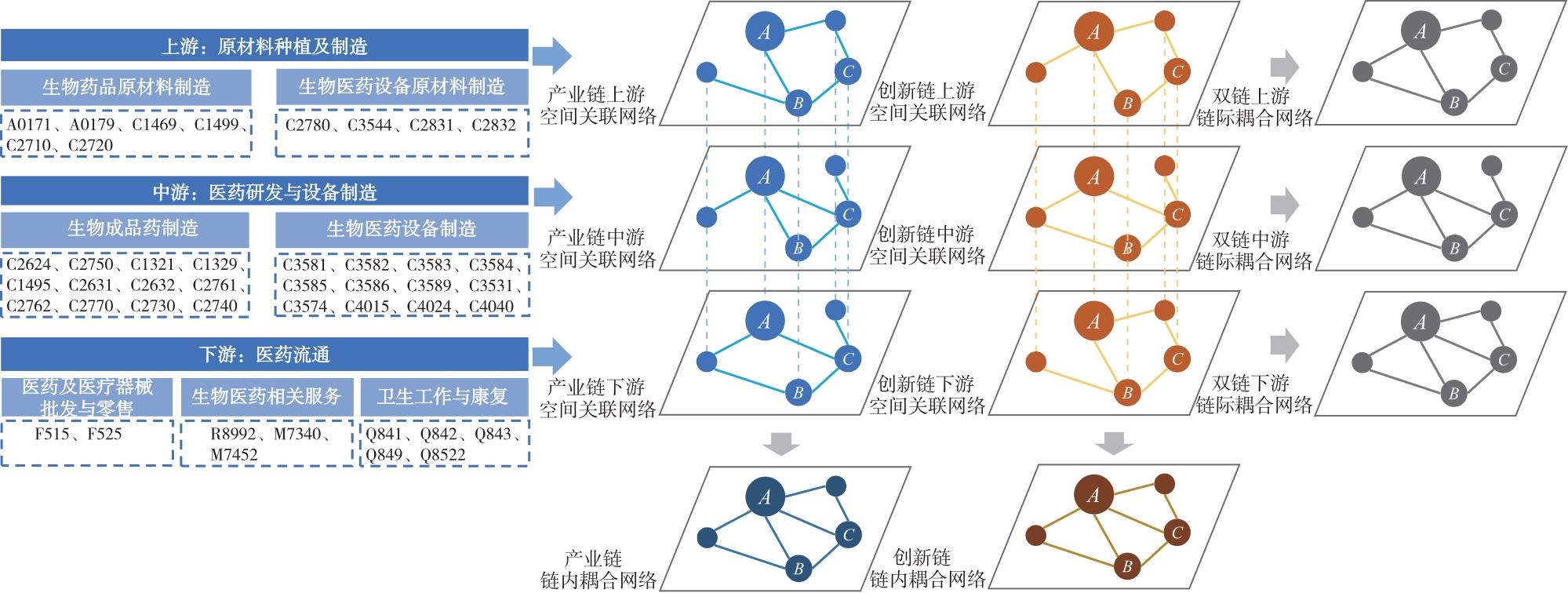
Based on the headquarters' branch data and patent cooperation data, this paper constructs the spatial correlation network of the biomedical industry chain and innovation chain (hereinafter referred to as "dual chains") in the Yangtze River Delta, uses the multivariate network coupling model to identify its coupling characteristics, and introduces the weighted link between specific cities through the system to promote the production spatial correlation network to approach the Pareto optimal state. The results show that: 1) In terms of spatial pattern, the industrial chain presents a strong triangle linkage of the "Shanghai-Jiangsu-Zhejiang", while the innovation chain shows a unipolar leading "core-edge" structure taking Shanghai as the core. 2) In terms of the coupling characteristics, weak coupling is dominant within the industrial chain, especially in the manufacturing of APIs and preparations. The strong coupling characteristics within the innovation chain are significant, but the technical innovation barriers are still high. In terms of the inter-chain coupling of "dual chains", the upstream basic research is disconnected from the innovation of raw materials, there are "three low" bottlenecks in the midstream clinical transformation and device autonomy, and the efficiency of downstream market access and capacity allocation is not high. 3) The optimization path simulation reveals that improving the internal coupling of the innovation chain is the key to the gain of network efficiency. Industrial collaboration and innovation integration need to be promoted in stages, while the spiral dimension of dual chain conjugation needs to continue to strengthen the link cultivation mode of "supporting the strong with the weak", especially the coupling strength of the finished drug link in the middle reaches of the "dual chains".
XIONG Ziyang , PENG Chong . Coupling Characteristics of the "Dual Chain" Network in the Biomedicine of the Yangtze River Delta and Its Optimization of Production Space[J]. Economic geography, 2026 , 46(1) : 141 -150 . DOI: 10.15957/j.cnki.jjdl.2026.01.014
图2 长三角生物医药产业链与创新链本地化空间行为对比Fig.2 Comparison of localization spatial behavior between the biomedical industry chain and innovation chain in the Yangtze River Delta |
| [1] |
刘叶, 刘伯凡. 生产性服务业与制造业协同集聚对制造业效率的影响——基于中国城市群面板数据的实证研究[J]. 经济管理, 2016, 38(6):16-28.
|
| [2] |
柴攀峰, 黄中伟. 基于协同发展的长三角城市群空间格局研究[J]. 经济地理, 2014, 34(6):75-79.
|
| [3] |
李圆. 长春—公主岭同城化背景下汽车产业融合发展研究[D]. 长春: 长春师范大学, 2022.
|
| [4] |
商静, 陈明. 产业链供应链发展趋势及区域空间重组治理——基于信息化和安全韧性的视角[J]. 城市发展研究, 2023, 30(1):103-111.
|
| [5] |
杨子涵, 彭宝玉, 孙君. 京津冀地区产业链空间网络及其隐含碳排放研究[J]. 地理科学进展, 2024, 43(2):215-230.
|
| [6] |
张军涛, 吴雨阳, 朱悦. 中国制造业与生产性服务业协同集聚的空间关联网络与驱动机制[J]. 地理学报, 2025, 80(2):396-414.
|
| [7] |
刘清, 薛德升, 黄耿志, 等. 中国半导体产业集群网络的空间组织与网络外部性影响——基于半导体产业价值链细分视角[J]. 地理研究, 2024, 43(4):909-930.
|
| [8] |
李青青. 京津冀产业园区经济联系网络结构特征及优化策略研究[D]. 北京: 北京建筑大学, 2023.
|
| [9] |
王东, 罗红云. 中国绿色创新效率空间关联网络特征及其驱动因素研究[J]. 生态经济, 2024, 40(7):57-65.
|
| [10] |
谢伟伟, 邓宏兵, 苏攀达. 长江中游城市群知识创新合作网络研究——高水平科研合著论文实证分析[J]. 科技进步与对策, 2019, 36(16):44-50.
|
| [11] |
尹翀, 丁青艳. 城市群创新协同网络模型构建及结构特征研究——以中原城市群为例[J]. 科技管理研究, 2021, 41(15):20-27.
|
| [12] |
姜海宁, 吕国庆, 杨梦君, 等. 内生型轮轴式产业集群创新网络演化研究——以台州汽车产业集群为例[J]. 地理研究, 2023, 42(8):2053-2069.
|
| [13] |
袁雪松, 周俊, 胡蓓蓓, 等. 基于FLUS模型粤港澳大湾区“三生空间”多情景模拟预测[J]. 地理科学, 2023, 43(3):564-574.
|
| [14] |
傅建春. 河南省国土空间格局演变及布局优化研究[D]. 徐州: 中国矿业大学, 2021.
|
| [15] |
邹艳. 淮海经济区核心城市群三生空间演化模拟与优化配置研究[D]. 徐州: 中国矿业大学, 2021.
|
| [16] |
谢荣. 专利转让视角下的我国生物医药技术转移研究[D]. 上海: 华东师范大学, 2022.
|
| [17] |
黄宾, 于淑娟. 产业集群理论研究新发展及其实践启示[J]. 技术经济与管理研究, 2017(10):101-105.
|
| [18] |
|
| [19] |
|
| [20] |
|
| [21] |
宋长青, 程昌秀, 杨晓帆, 等. 理解地理“耦合”实现地理“集成”[J]. 地理学报, 2020, 75(1):3-13.
|
| [22] |
|
| [23] |
陈科比, 王吉力, 朱洁, 等. 生物医药产业:首都都市圈产业分工布局特征与成因浅析[J]. 北京规划建设, 2023(6):46-50.
|
| [24] |
王璐玮, 章屹祯, 任传堂, 等. 中国三大城市群生物医药产业的空间组织模式——基于“三维三网”的研究[J]. 地理研究, 2023, 42(10):2696-2712.
|
| [25] |
赵渺希, 魏冀明, 吴康. 京津冀城市群的功能联系及其复杂网络演化[J]. 城市规划学刊, 2014(1):46-52.
|
| [26] |
徐宜青, 曾刚, 王秋玉. 长三角城市群协同创新网络格局发展演变及优化策略[J]. 经济地理, 2018, 38(11):133-140.
|
| [27] |
张小鸿. 中国城市多元网络耦合机理及耦合效应[D]. 兰州: 西北师范大学, 2022.
|
| [28] |
杨亮洁, 罗亚玲, 张小鸿, 等. 城市信息网络与企业网络的耦合联动效应——以成渝地区双城经济圈为例[J]. 热带地理, 2025, 45(3):347-360.
|
| [29] |
周密, 张心贝, 郭佳宏. 区域协调网络的特征、传导机制与发展路径优化[J]. 经济地理, 2024, 44(5):12-21.
|
| [30] |
刘华军, 贾文星. 不同空间网络关联情形下中国区域经济增长的收敛检验及协调发展[J]. 南开经济研究, 2019(3):104-124.
|
| [31] |
许闻博, 李福映, 邵丹. “双链融合”视角下的西安大都市区产业单元规划策略[J]. 规划师, 2022, 38(7):122-127.
|
| [32] |
叶青. 基于复杂网络理论的轨道交通网络脆弱性分析[J]. 中国安全科学学报, 2012, 22(2):122-126.
|
/
| 〈 |
|
〉 |